James Campbell National Wildlife Refuge (SE, 0mi), Honolulu
Parks in Hawaii
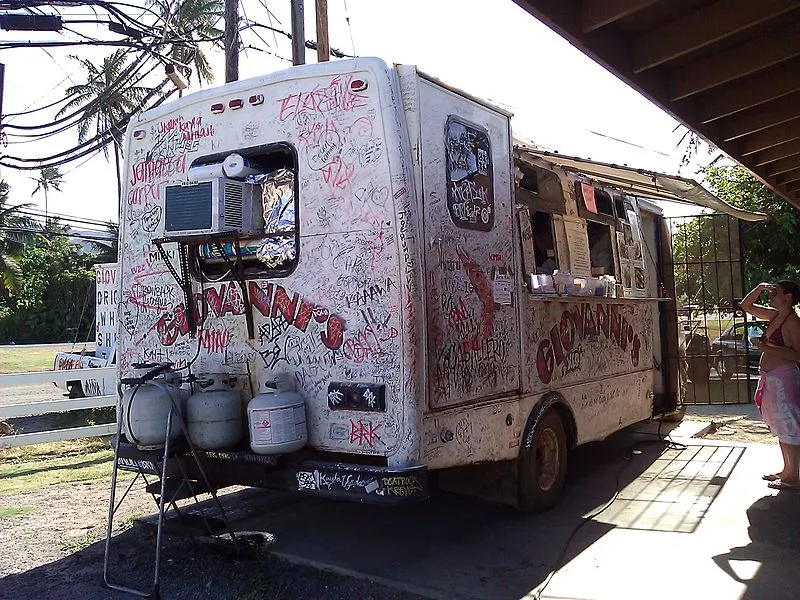
Photo: Don Ramey Logan / CC BY-SA 3.0
Near Kahuku, HI in Hawaii
What to Pack for James Campbell National Wildlife Refuge (SE, 0mi), Honolulu
Being properly equipped turns potential hazards into manageable situations.
Pack for Tropical terrain, variable conditions, and the wildlife considerations above.
Essential
-
Water (minimum 2L) — Dehydration impairs judgment and endurance long before you feel thirsty; 2L is the minimum for a moderate day hike.
-
Navigation (map/GPS/compass) — Phone batteries die, cell service disappears, and trail signs get vandalized; a paper map and compass always work.
-
Sun protection (sunglasses, sunscreen) — UV exposure intensifies at elevation and near reflective surfaces like water and snow; sunburn can happen in under 30 minutes.
-
First aid kit — Blisters, cuts, and sprains happen on even the easiest trails; basic supplies let you treat problems before they force a retreat.
-
Extra food — A wrong turn or unexpected storm can extend any outing by hours; extra calories prevent fatigue and poor decision-making.
-
Headlamp with extra batteries — Trails that seem short in daylight can take twice as long with route-finding or elevation; a headlamp keeps you moving safely after dark.
-
Fire starter — Hypothermia can set in even during summer at higher elevations; a reliable fire starter provides warmth and a signal for rescuers.
-
Emergency shelter (space blanket) — A space blanket weighs under two ounces and reflects up to 90% of body heat, buying time in an unplanned overnight.
-
Knife or multi-tool — From cutting cord to preparing food to improvising gear repairs, a knife is the most versatile tool you can carry.
-
Extra clothing layer — Mountain weather can shift from sunshine to sleet within an hour; an extra layer prevents dangerous heat loss.
Activities & Best Time to Visit James Campbell National Wildlife Refuge (SE, 0mi), Honolulu
The Tropical terrain here lends itself to a range of outdoor activities throughout the year.
Whether you're here for birdwatching or looking to try something different, James Campbell National Wildlife Refuge has options.
Photographers rate this area 35/100, with Exceptional dark sky (Bortle 1-2) and 1 excellent meteor showers being a major draw.
Activities
-
birdwatching — Spot and identify birds in forests, wetlands, grasslands, and coastal habitats.
-
camping — Spend the night outdoors in a tent or campsite under open skies.
-
hiking — Follow marked trails through forests, deserts, or alpine terrain for a deeper connection with nature.
-
photography — Capture landscapes, wildlife, and changing light across trails, coastlines, and mountain vistas.
-
picnicking — Spread a blanket, unpack a meal, and enjoy food outdoors surrounded by fresh air and open views.
-
walking — A simple way to explore trails, shorelines, and park paths at your own pace while taking in the scenery.
-
wildlife_viewing — Observe animals in their natural habitats, from grazing deer to soaring raptors overhead.
Best months: May, Jun, Jul, Aug, Sep
Terrain: Tropical — Tropical terrain features lush vegetation, high humidity, and year-round warmth.
Nature & Wildlife at James Campbell National Wildlife Refuge (SE, 0mi), Honolulu
The Tropical terrain here supports a rich ecosystem worth noticing as you explore.
The Tropical environment here supports 23 documented species across mammals, birds, reptiles, and amphibians.
Trees (2)
-
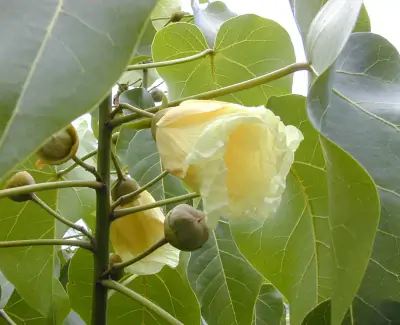 Portia tree — It tolerates salt spray and sandy soils.
 -
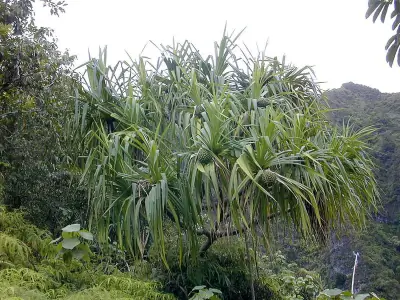 thatch screwpine — It grows in tropical coastal regions.
Shrubs (1)
-
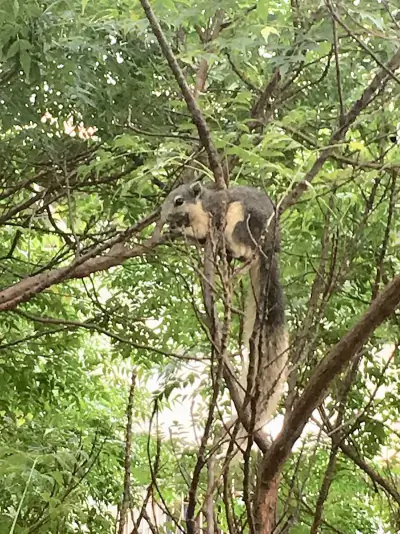 White leadtree — It tolerates drought and poor soils.
Other Plants (5)
-
beach naupaka
-
Beach Morning Glory
-
Sea Almond
-
coconut palm
-
Guinea Grass
Mammals (4)
-
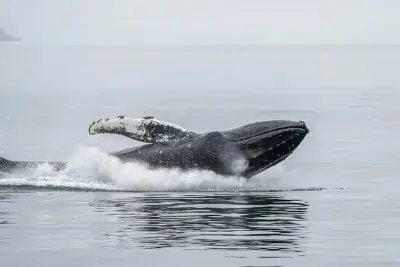 Humpback Whale — A massive whale with long white pectoral fins and knobby head tubercles.
 -
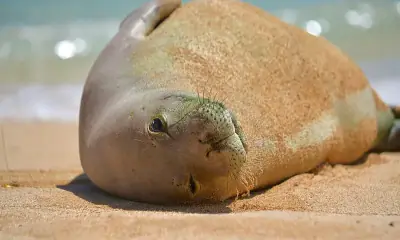 Hawaiian Monk Seal — A large, dark gray seal with smooth coat and rounded head.
 -
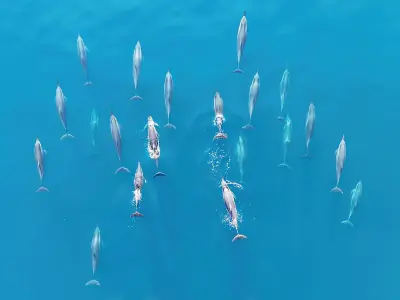 Spinner Dolphin — A slender dolphin with long beak and dark gray upper body.
 -
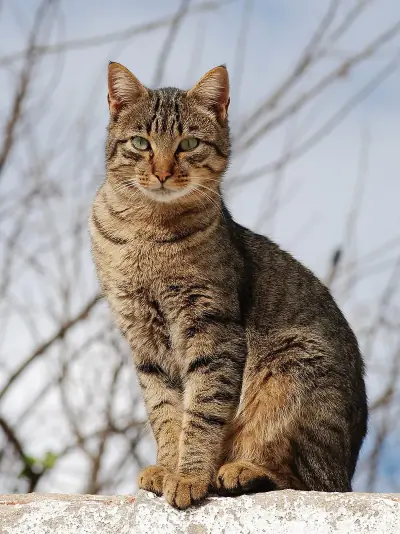 Domestic Cat — A small carnivorous mammal with wide variation in coat color and pattern.
Birds (14)
-
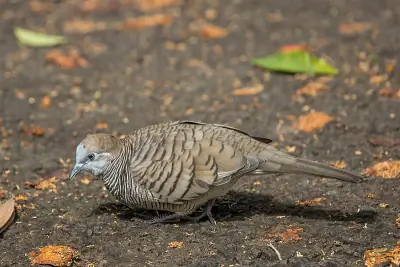 Zebra Dove — Brown with barred neck pattern
 -
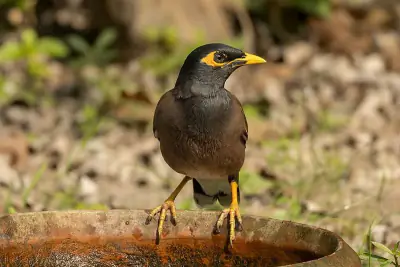 Common Myna — Brown body
 -
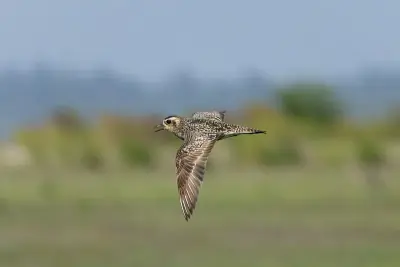 Pacific Golden-Plover — Black face and belly in breeding
 -
 House Sparrow — Male with gray crown and black bib
 -
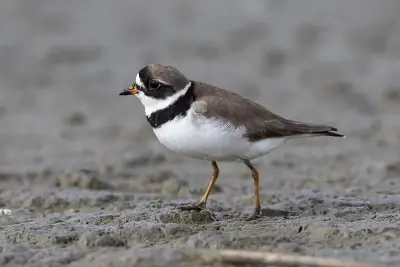 Semipalmated Plover — Brown back
Reptiles (5)
-
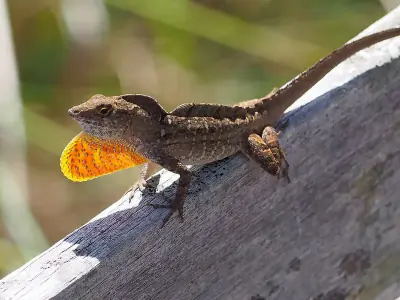 Brown Anole — A small brown lizard with subtle darker patterning and a long tail.
 -
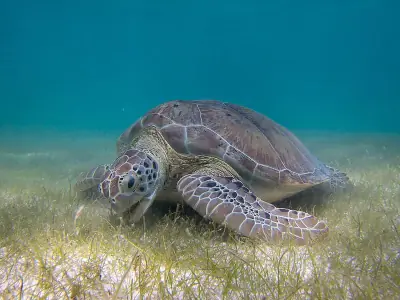 Green Sea Turtle — A large marine turtle with smooth olive-brown shell and paddle-like flippers.
 -
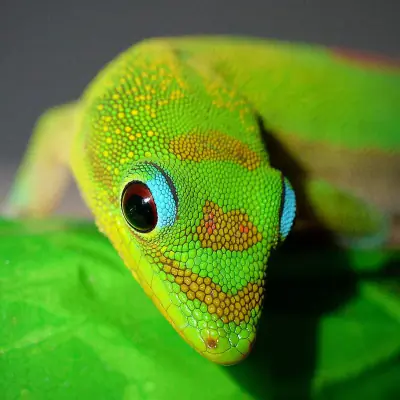 Gold Dust Day Gecko — A bright green gecko with blue and gold speckling on the back.
 -
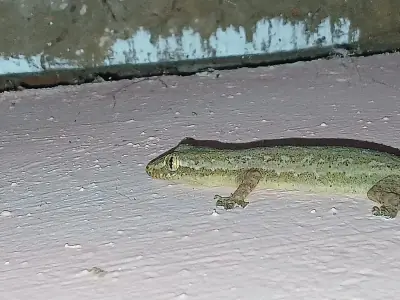 Asian House Gecko — A small pale gray to pinkish gecko with translucent skin and large eyes.
 -
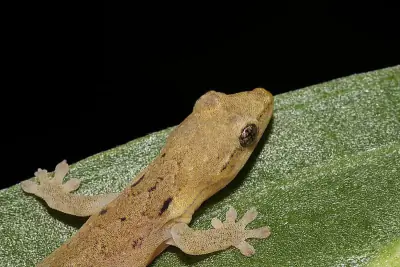 Mourning Gecko — A small smooth-skinned gecko with mottled brown coloration.
Amphibians (1)
-
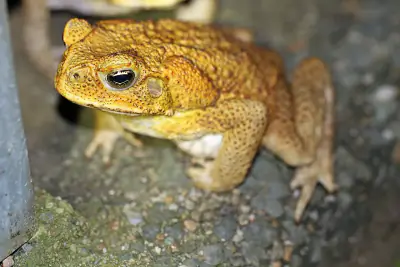 Cane Toad
Insects (4)
-
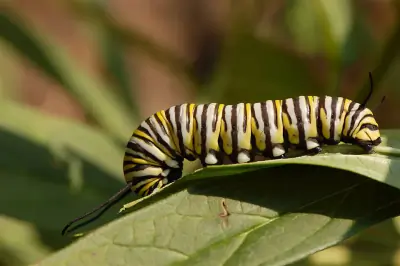 Monarch
 -
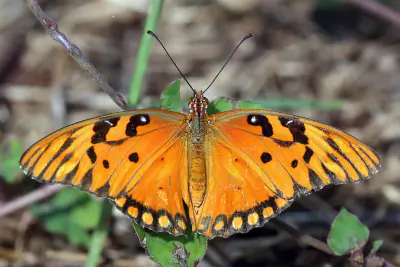 Gulf Fritillary
 -
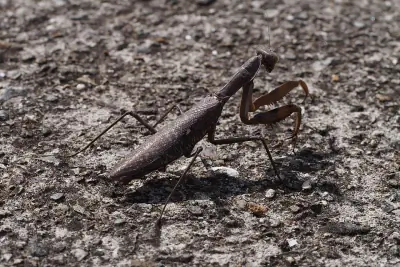 Giant Asian Mantis
 -
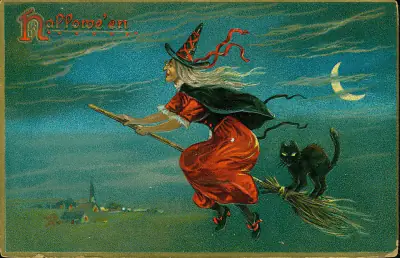 Black Witch
Other Wildlife (20)
-
African Giant Snail
-
Wedgetail Triggerfish
-
Thin-shelled Rock Crab
-
Yellow Tang
-
Moorish Idol
Nature Bingo at James Campbell National Wildlife Refuge (SE, 0mi), Honolulu
Can you spot them all? Check off each species as you find it on your visit.
Wildlife Challenge
Botany Challenge
James Campbell National Wildlife Refuge (SE, 0mi), Honolulu Trip Planning & Access
Here's the practical side of visiting James Campbell National Wildlife Refuge.
James Campbell National Wildlife Refuge is 2404 miles from San Jose — here's what to budget for the trip.
Visitor Friendliness
This location rates likely_allowed for dogs, excellent for families, and highly_suitable for elderly visitors.
- Dogs: likely_allowed — No restrictions found
- Families: excellent
- Elderly: highly_suitable
- Strollers: excellent (100/100)
- Beginners: Perfect for beginners (Moderate difficulty (+5), Good information available (+5))
- Accessibility: Generally accessible to most visitors (90/100)
Places Near James Campbell National Wildlife Refuge (SE, 0mi), Honolulu
The area around James Campbell National Wildlife Refuge has plenty more to offer.
If you're exploring this part of Hawaii, these nearby spots complement a visit to James Campbell National Wildlife Refuge.
Nearby Trails
- Perl Trail, Honouliuli NHS 21.87 mi
- Pacific Historic Parks - Bookstore, HI 21.95 mi
Nearby Campgrounds
- Ymca Camp Erdman, Honolulu 18.78 mi
Nearby Attractions
- Uss Utah Memorial, Pearl Harbor National Memorial 21.82 mi
- The Lone Sailor, Honouliuli NHS 21.87 mi
- Uss Arizona Anchor, Honouliuli NHS 21.87 mi
Stargazing & Night Sky at James Campbell National Wildlife Refuge (SE, 0mi), Honolulu
After a day outdoors, the evening sky here is worth a look.
On clear nights, the Bortle class 1 skies above James Campbell National Wildlife Refuge reveal constellations and bright planets.
Constellations
From James Campbell National Wildlife Refuge, you can trace Ursa Minor across the sky on clear nights.
-
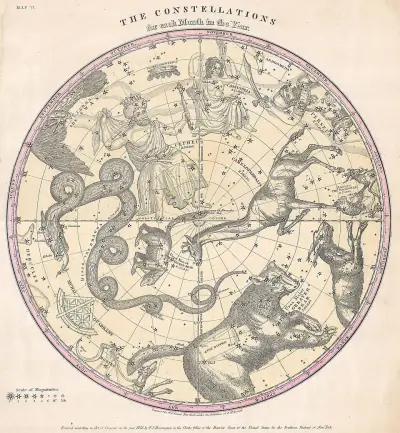 Ursa Minor — Home to Polaris, the North Star, Ursa Minor forms a small dipper shape that circles the northern sky year-round.
Meteor Showers
Time your visit around December 13-14 for the Geminids, the strongest meteor shower visible from this latitude.
-
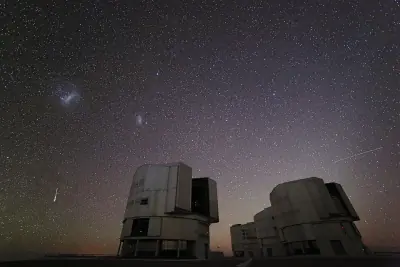 Geminids — peaks December 13-14 (excellent)
One of the most reliable and active showers of the year; best viewed after 10 PM when Gemini rises higher in the sky.
-
 Quadrantids — peaks January 3-4 (good)
This brief but intense shower peaks before dawn; early morning hours offer the best chance to see multiple meteors.
-
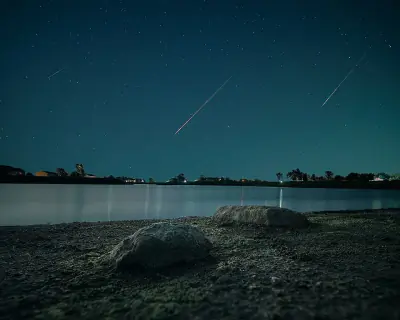 Perseids — peaks August 11-13 (good)
A summer favorite with warm nighttime viewing; look northeast after 10 PM.
-
 Eta Aquariids — peaks May 5-6 (good)
Best seen before dawn in the southeastern sky as Aquarius rises.
-
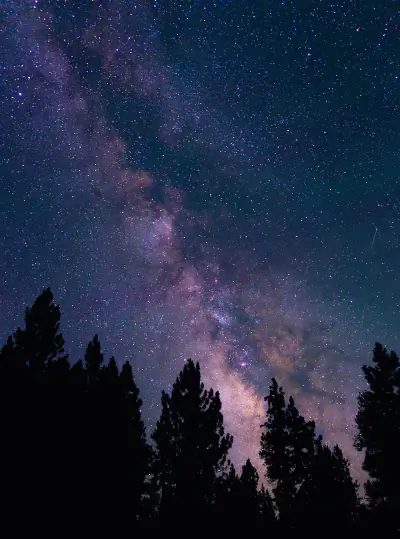 Delta Aquariids — peaks July 28-29 (good)
Best viewed after midnight when Aquarius is higher in the southern sky.
Planets
Planets visible to the naked eye from this location:
-
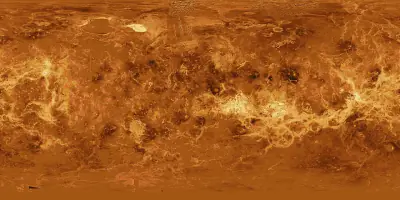 Venus — The brightest planet, often called the Morning or Evening Star
 -
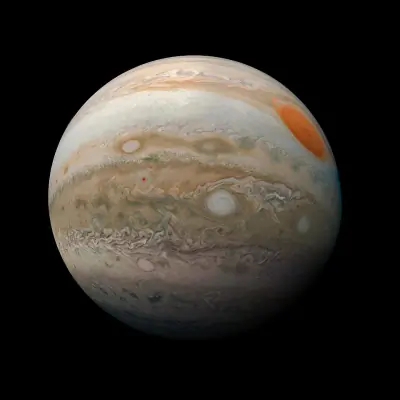 Jupiter — The largest planet, bright and steady in the night sky
 -
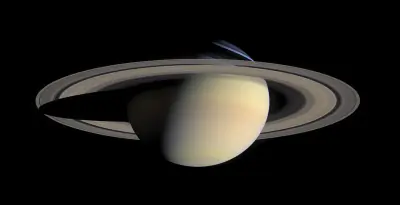 Saturn — Famous for its rings, visible as a golden steady light
 -
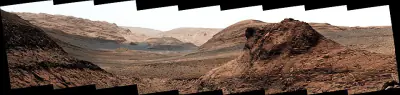 Mars — The Red Planet, recognizable by its reddish-orange hue
Equipment Guide
- Naked eye: Venus, Jupiter, Saturn, Mars, Mercury (with care)
- Binoculars: Jupiter moons, Uranus, Saturn rings (barely)
- Small telescope: Saturn rings, Jupiter bands, Mars surface features, Neptune
Viewing Tips
- Check planets rise/set times for your specific date
- Planets appear along the ecliptic (zodiac path)
- Planets don't twinkle like stars - steady light
- Venus and Jupiter are unmistakable - brightest objects after Moon
- Use a stargazing app to confirm planet positions
- Best viewing: when planet is highest in sky (transit)
Best Viewing Months
- Evening: Oct, Nov, Dec, Jan, Feb
- Morning: Jul, Aug, Sep
Seasonal Highlights at James Campbell National Wildlife Refuge (SE, 0mi), Honolulu
The time of year you visit changes what you'll see and do.
Timing your visit to James Campbell National Wildlife Refuge around seasonal highlights can make a major difference in what you experience.
Indigenous Land at James Campbell National Wildlife Refuge (SE, 0mi), Honolulu
Before planning your trip, it's worth recognizing the Indigenous peoples connected to this land.
Before this became a recreation area, this land belonged to Nā moku ʻehā.
Territories
Languages
Indigenous languages connected to this territory include ʻŌlelo Hawaiʻi, Hoailona ʻŌlelo o Hawaiʻi (Hawai’i Sign Language).
Data from Native Land Digital
James Campbell National Wildlife Refuge (SE, 0mi), Honolulu Geology & Natural History
Beyond the trails and wildlife, James Campbell National Wildlife Refuge sits within a landscape shaped by millions of years of geological processes. Here's what researchers and surveys have documented about this area.
Bedrock Geology
- Rock Type
- Koolau Basalt
- Formation
- Koolau Basalt
- Lithology
- Lava flows; basalt
- Age
- Cenozoic
Endangered Species
- Species at Risk
- 1780
- ESA Endangered
- 149
- ESA Threatened
- 2
- Conservation Score
- 100/100
Temperature Records
- Record High
- 101°F (2003-05-28)
- Record Low
- 14°F (2024-04-10)
Caves & Karst Features
- Feature Types
- Volcanic rocks with potential for pseudokarst
- Karst Score
- 30
Watershed
- Watershed
- Waimea River
- Water Quality (Good)
- 0%
- Impaired
- 0%
Shipwrecks
- Known Wrecks
- 7
- Avg Depth
- 12.2 ft
James Campbell National Wildlife Refuge (SE, 0mi), Honolulu Safety & Conditions
The weather data above tells you what's typical — these links tell you what's happening right now.
Before visiting James Campbell National Wildlife Refuge, verify current conditions through these authoritative sources.
Coordinates: 21.684436, -157.95523