Stop 4- Puʻuloa Petroglyphs, Hawaiʻi Volcanoes NP
Attractions in Hawaii
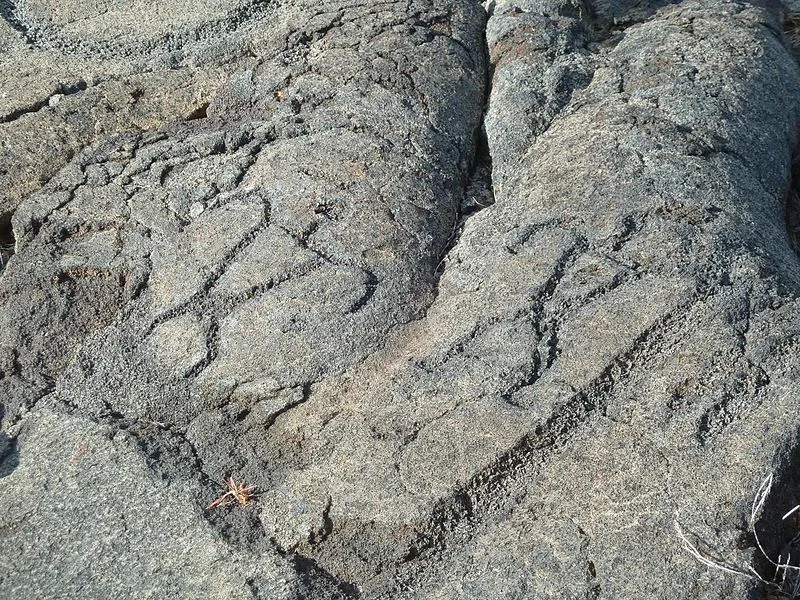
Photo: Brian Sterling from Palo Alto, CA, USA / CC BY-SA 2.0
Part of Hawaiʻi Volcanoes National Park
What to Pack for Stop 4- Puʻuloa Petroglyphs, Hawaiʻi Volcanoes NP
Pack with the terrain and wildlife in mind, and you'll be ready for anything here.
A well-prepared pack for Stop 4- Puʻuloa Petroglyphs covers 1 categories: essential.
Essential
-
Water (minimum 2L) — Even cool-weather hiking demands steady hydration, as exertion and altitude increase water loss faster than most expect.
-
Navigation (map/GPS/compass) — Even well-marked trails have confusing junctions, especially in fog or snow; a GPS unit or downloaded map keeps you on route.
-
Sun protection (sunglasses, sunscreen) — Quality sunglasses prevent snow blindness and reduce eye strain during long days on exposed trails or ridgelines.
-
First aid kit — Adhesive bandages, antiseptic, and athletic tape handle the most common trail injuries and weigh under a pound.
-
Extra food — Blood sugar drops fast during sustained effort outdoors, and having a reserve keeps your body and mind sharp.
-
Headlamp with extra batteries — Batteries drain faster in cold weather; carrying spares ensures you won't be left in the dark when you need light most.
-
Fire starter — Starting a fire boosts morale and provides light, warmth, and a way to purify water in an emergency.
-
Emergency shelter (space blanket) — If an injury forces you to stop moving, a reflective blanket prevents the rapid heat loss that leads to hypothermia.
-
Knife or multi-tool — In a survival situation, a blade lets you process tinder, build shelter, and prepare food.
-
Extra clothing layer — Wet clothing accelerates cooling; a dry backup layer can prevent hypothermia when conditions turn.
Activities & Best Time to Visit Stop 4- Puʻuloa Petroglyphs, Hawaiʻi Volcanoes NP
The Tropical terrain here lends itself to a range of outdoor activities throughout the year.
The mix of Tropical terrain and conditions here supports everything from hiking, photography, picnicking.
The scenery here earns a 35/100 photography rating — Exceptional dark sky (Bortle 1-2) and 1 excellent meteor showers.
Activities
-
hiking — With sturdy footwear and preparation, trails open up expansive views and quiet solitude.
-
photography — Outdoor photography invites you to slow down and frame the beauty around you.
-
picnicking — Whether lakeside or in a meadow, it's a relaxed way to savor both the setting and the company.
-
running — From flat paths to rolling hills, running outdoors adds variety to your routine.
-
walking — Perfect for all ages, a casual walk can turn any outdoor space into a relaxing nature experience.
-
wildlife_viewing — Bring binoculars and patience — nature often rewards careful, respectful observers.
Best months: May, Jun, Jul, Aug, Sep
Terrain: Tropical — Frequent rainfall supports layered forest canopies.
Nature & Wildlife at Stop 4- Puʻuloa Petroglyphs, Hawaiʻi Volcanoes NP
The Tropical terrain here supports a rich ecosystem worth noticing as you explore.
The ecosystem around Stop 4- Puʻuloa Petroglyphs is defined by its Tropical landscape, supporting everything from to Red Avadavat and Wild Turkey.
Mammals (4)
-
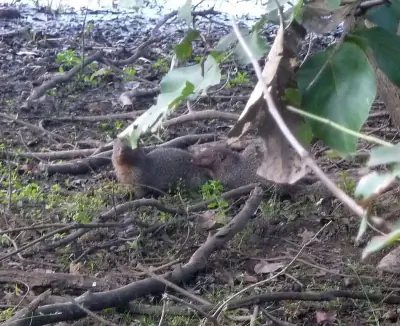 Small Indian Mongoose — Usually under 2 feet including tail.
 -
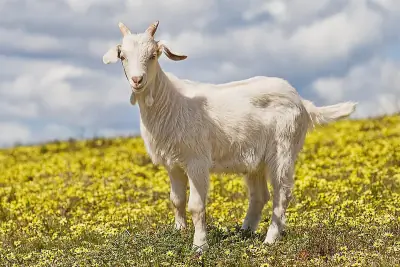 Domestic Goat — Slender legs adapted for climbing.
 -
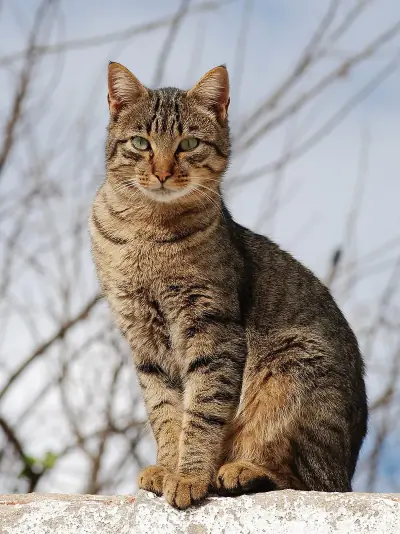 Domestic Cat — Typically weighs 5–15 pounds.
 -
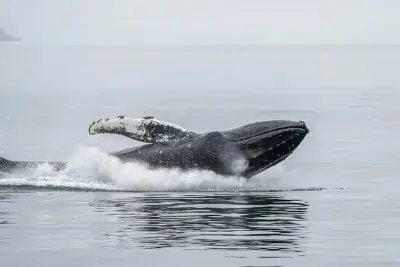 Humpback Whale — Adults reach 40–50 feet in length.
Birds (30)
-
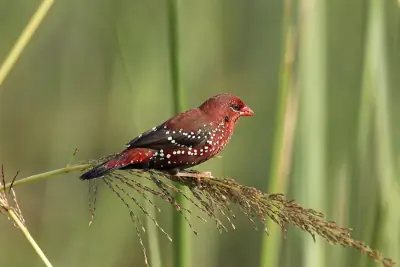 Red Avadavat — Short conical bill
 -
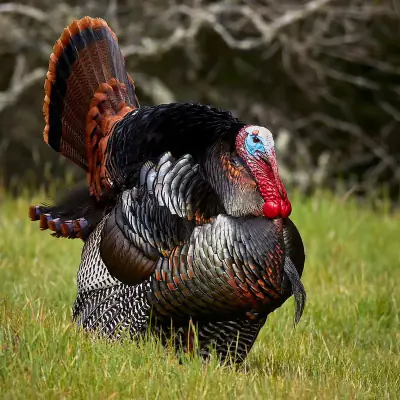 Wild Turkey — Paler Rio Grande subspecies in the West
 -
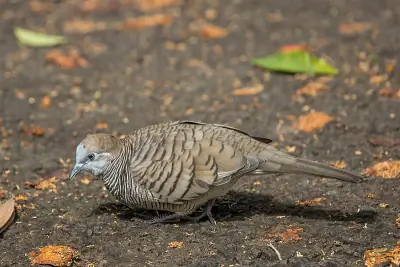 Zebra Dove — Long tail
 -
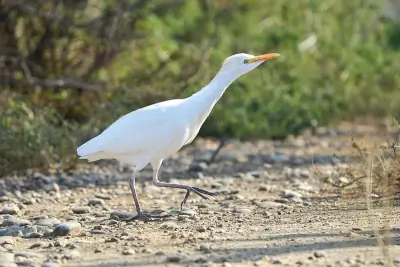 Western Cattle-Egret — Yellow bill
 -
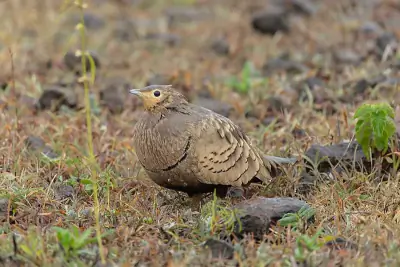 Chestnut-bellied Sandgrouse — Long pointed wings
Reptiles (6)
-
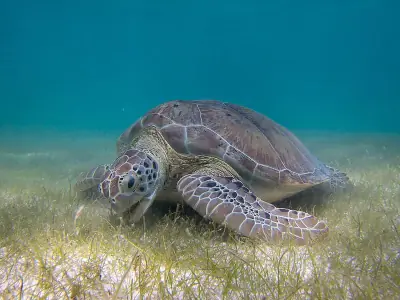 Green Sea Turtle — Adults can exceed 3 feet in shell length.
 -
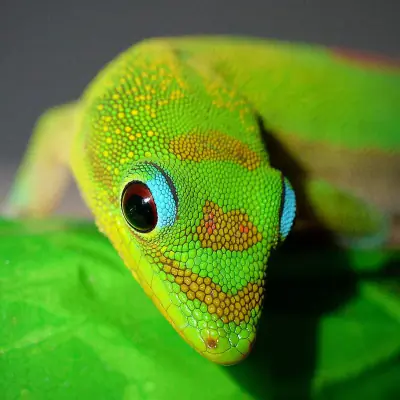 Gold Dust Day Gecko — Usually 4–6 inches long.
 -
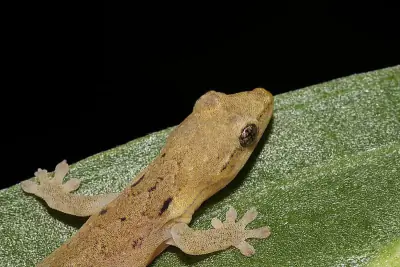 Mourning Gecko — Typically 3–4 inches long.
 -
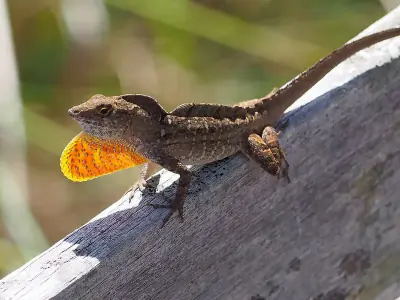 Brown Anole — Typically 5–8 inches long including the tail.
 -
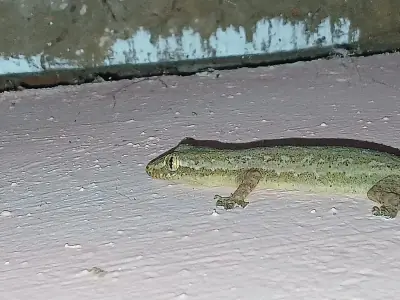 Asian House Gecko — Usually 3–5 inches long.
Amphibians (1)
-
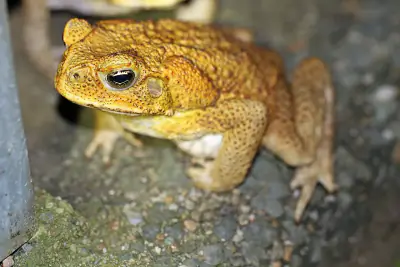 Cane Toad
Insects (5)
-
 Black Witch
 -
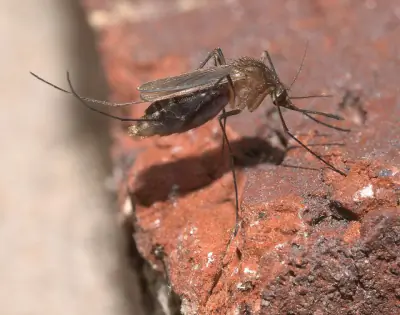 Southern House Mosquito
 -
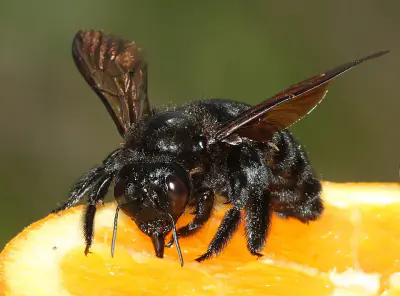 Valley Carpenter Bee
 -
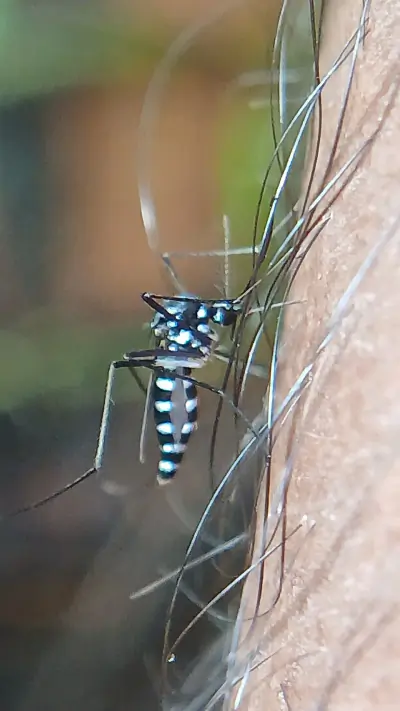 Asian Tiger Mosquito
 -
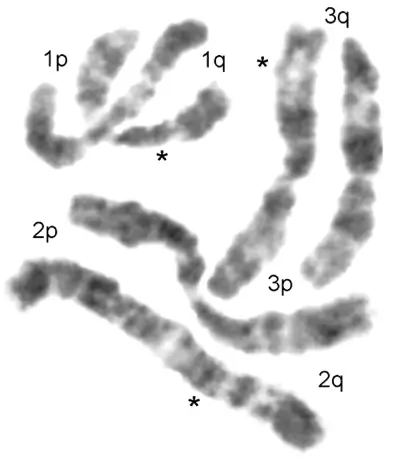 Yellow Fever Mosquito
Other Wildlife (20)
-
Thin-shelled Rock Crab
-
Indo-Pacific Rock-boring Urchin
-
Hawaiian Convict Surgeonfish
-
Pacific White-spotted Sea Cucumber
-
Red Pencil Urchin
Nature Bingo at Stop 4- Puʻuloa Petroglyphs, Hawaiʻi Volcanoes NP
Can you spot them all? Check off each species as you find it on your visit.
Wildlife Challenge
Stop 4- Puʻuloa Petroglyphs, Hawaiʻi Volcanoes NP Trip Planning & Access
Time to plan the details — access, cost, and travel information for your visit.
Access to Stop 4- Puʻuloa Petroglyphs is primarily via San Jose, 2356 miles away.
Visitor Friendliness
Accessibility: dog-friendly (likely_allowed), family-friendly (excellent), elderly-friendly (highly_suitable).
- Dogs: likely_allowed — No restrictions found
- Families: excellent
- Elderly: highly_suitable (Unpaved surface)
- Strollers: possible (50/100)
- Beginners: Good starting point (Moderate difficulty (+5))
- Accessibility: Generally accessible to most visitors (90/100)
Places Near Stop 4- Puʻuloa Petroglyphs, Hawaiʻi Volcanoes NP
Looking for more? Here's what else is close by.
The region around Stop 4- Puʻuloa Petroglyphs is rich with options — 12 nearby destinations are worth exploring.
Nearby Trails
- Puna Coast Trail, Hawaiʻi Volcanoes NP 0.59 mi
- Kalapana Trail (unmaintained), Hawaii 2.53 mi
- Kalapana Trail, Hawaii 2.53 mi
- Nāulu Trail, Hawaii 4.52 mi
Nearby Campgrounds
Stargazing & Night Sky at Stop 4- Puʻuloa Petroglyphs, Hawaiʻi Volcanoes NP
Clear nights in this area reveal more stars than most people expect.
Light pollution at Stop 4- Puʻuloa Petroglyphs is Excellent dark-sky site (Bortle 1), which means bright constellations and planets are visible.
Meteor Showers
The Geminids peaks around December 13-14 and is the best meteor shower visible from here.
-
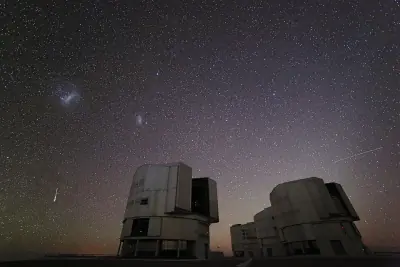 Geminids — peaks December 13-14 (excellent)
Find a dark location away from city lights and give your eyes 20–30 minutes to adjust for peak rates.
-
 Quadrantids — peaks January 3-4 (good)
Look toward the northern sky after midnight for the highest activity.
-
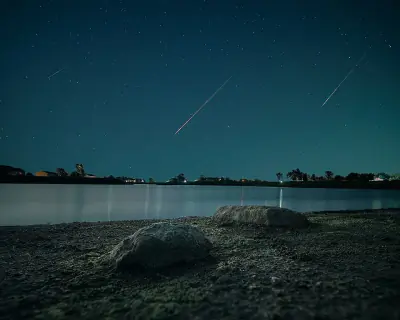 Perseids — peaks August 11-13 (good)
Expect fast, bright meteors and occasional fireballs under dark skies.
-
 Eta Aquariids — peaks May 5-6 (good)
Plan for early morning viewing; activity increases in the hours just before sunrise.
-
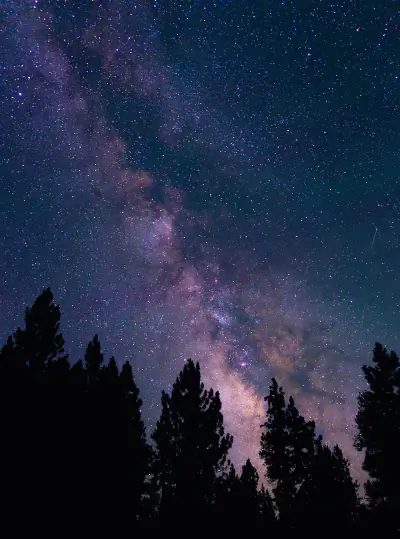 Delta Aquariids — peaks July 28-29 (good)
Southern states often see stronger activity due to radiant placement.
Planets
Planets visible to the naked eye from this location:
-
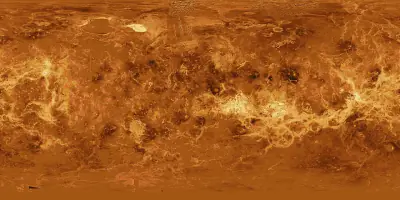 Venus — The brightest planet, often called the Morning or Evening Star
 -
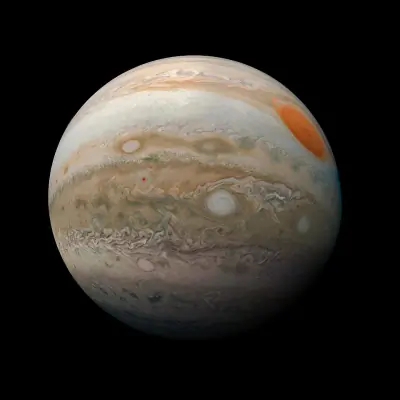 Jupiter — The largest planet, bright and steady in the night sky
 -
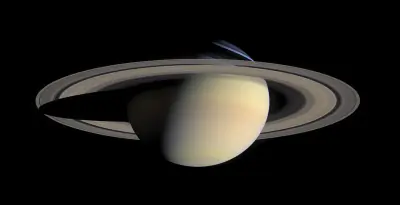 Saturn — Famous for its rings, visible as a golden steady light
 -
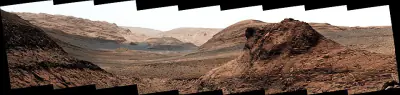 Mars — The Red Planet, recognizable by its reddish-orange hue
Equipment Guide
- Naked eye: Venus, Jupiter, Saturn, Mars, Mercury (with care)
- Binoculars: Jupiter moons, Uranus, Saturn rings (barely)
- Small telescope: Saturn rings, Jupiter bands, Mars surface features, Neptune
Viewing Tips
- Check planets rise/set times for your specific date
- Planets appear along the ecliptic (zodiac path)
- Planets don't twinkle like stars - steady light
- Venus and Jupiter are unmistakable - brightest objects after Moon
- Use a stargazing app to confirm planet positions
- Best viewing: when planet is highest in sky (transit)
Best Viewing Months
- Evening: Oct, Nov, Dec, Jan, Feb
- Morning: Jul, Aug, Sep
Seasonal Highlights at Stop 4- Puʻuloa Petroglyphs, Hawaiʻi Volcanoes NP
What you'll encounter here shifts with the calendar — here's a seasonal overview.
Seasonal changes at Stop 4- Puʻuloa Petroglyphs bring — each offering a distinct experience.
Indigenous Land at Stop 4- Puʻuloa Petroglyphs, Hawaiʻi Volcanoes NP
The history of this land reaches back long before it became a recreation destination.
We acknowledge that Stop 4- Puʻuloa Petroglyphs is located on the traditional lands of Nā moku ʻehā.
Territories
Languages
The languages traditionally spoken in this area include ʻŌlelo Hawaiʻi, Hoailona ʻŌlelo o Hawaiʻi (Hawai’i Sign Language).
Data from Native Land Digital
Stop 4- Puʻuloa Petroglyphs, Hawaiʻi Volcanoes NP Geology & Natural History
Beyond the trails and wildlife, Stop 4- Puʻuloa Petroglyphs sits within a landscape shaped by millions of years of geological processes. Here's what researchers and surveys have documented about this area.
Endangered Species
- Species at Risk
- 1780
- ESA Endangered
- 149
- ESA Threatened
- 2
- Conservation Score
- 100/100
Temperature Records
- Record High
- 92°F (1980-06-02)
- Record Low
- 49°F (2010-12-07)
Stop 4- Puʻuloa Petroglyphs, Hawaiʻi Volcanoes NP Safety & Conditions
Plans set? Check the latest conditions before you head out.
Up-to-date weather, fire, and flood information for the area around Stop 4- Puʻuloa Petroglyphs.
Coordinates: 19.292704, -155.121916