Forested Pit Crater, Hawaiʻi Volcanoes NP
Attractions in Hawaii
Part of Hawaiʻi Volcanoes National Park
Near Naalehu, HI in Hawaii
What to Pack for Forested Pit Crater, Hawaiʻi Volcanoes NP
Preparation starts with your pack. Here's what to bring.
The conditions at Forested Pit Crater call for specific gear — here's a tailored packing list.
Essential
-
Water (minimum 2L) — Even cool-weather hiking demands steady hydration, as exertion and altitude increase water loss faster than most expect.
-
Navigation (map/GPS/compass) — Even well-marked trails have confusing junctions, especially in fog or snow; a GPS unit or downloaded map keeps you on route.
-
Sun protection (sunglasses, sunscreen) — Quality sunglasses prevent snow blindness and reduce eye strain during long days on exposed trails or ridgelines.
-
First aid kit — Adhesive bandages, antiseptic, and athletic tape handle the most common trail injuries and weigh under a pound.
-
Extra food — Blood sugar drops fast during sustained effort outdoors, and having a reserve keeps your body and mind sharp.
-
Headlamp with extra batteries — Batteries drain faster in cold weather; carrying spares ensures you won't be left in the dark when you need light most.
-
Fire starter — Starting a fire boosts morale and provides light, warmth, and a way to purify water in an emergency.
-
Emergency shelter (space blanket) — If an injury forces you to stop moving, a reflective blanket prevents the rapid heat loss that leads to hypothermia.
-
Knife or multi-tool — In a survival situation, a blade lets you process tinder, build shelter, and prepare food.
-
Extra clothing layer — Wet clothing accelerates cooling; a dry backup layer can prevent hypothermia when conditions turn.
Activities & Best Time to Visit Forested Pit Crater, Hawaiʻi Volcanoes NP
The Tropical terrain here lends itself to a range of outdoor activities throughout the year.
The Tropical landscape around Forested Pit Crater makes it well suited for photography, picnicking, sightseeing.
The scenery here earns a 35/100 photography rating — Exceptional dark sky (Bortle 1-2) and 1 excellent meteor showers.
Activities
-
photography — Outdoor photography invites you to slow down and frame the beauty around you.
-
picnicking — Whether lakeside or in a meadow, it's a relaxed way to savor both the setting and the company.
-
sightseeing — It's an accessible way to appreciate the character of a place.
-
walking — Perfect for all ages, a casual walk can turn any outdoor space into a relaxing nature experience.
Best months: May, Jun, Jul, Aug, Sep
Terrain: Tropical — Frequent rainfall supports layered forest canopies.
Nature & Wildlife at Forested Pit Crater, Hawaiʻi Volcanoes NP
The Tropical terrain here supports a rich ecosystem worth noticing as you explore.
Nature at Forested Pit Crater includes 1 tree species, 1 wildflower, and a range of mammals, birds, and reptiles.
Trees (1)
-
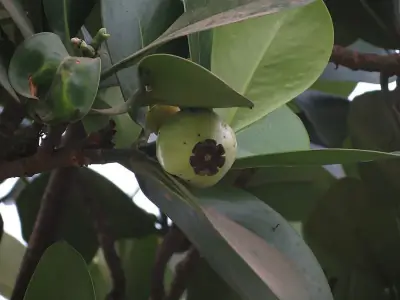 autograph tree — The trunk becomes stout with age.
Wildflowers (1)
-
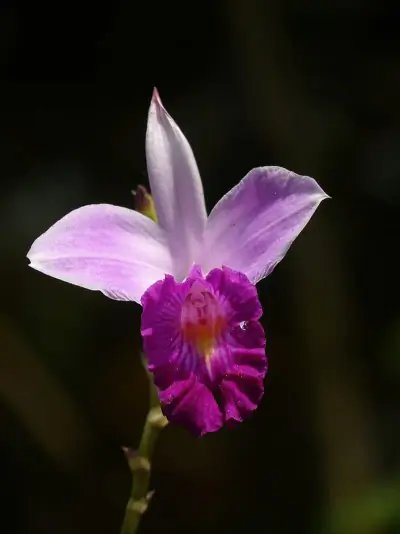 Bamboo Orchid — Multiple blooms arranged along upper stems.
Other Plants (5)
-
ʻŌhiʻa Lehua
-
Pūkiawe
-
Small-leaved plane
-
Brazilian pepper
-
Akeake
Mammals (1)
-
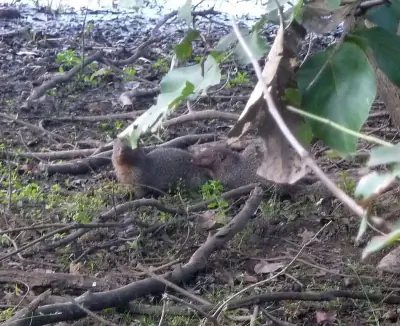 Small Indian Mongoose — Usually under 2 feet including tail.
Birds (13)
-
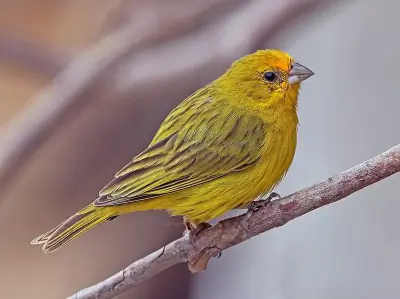 Saffron Finch — Conical bill
 -
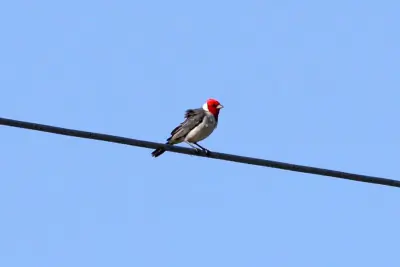 Yellow-billed Cardinal — Yellow bill
 -
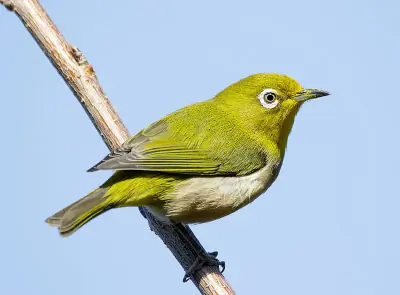 Warbling White-eye — Yellow throat
 -
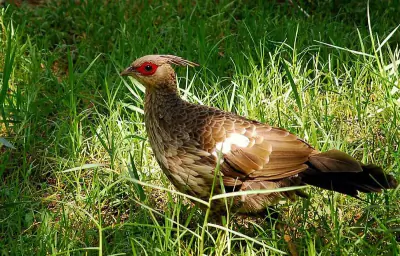 Kalij Pheasant — Brown female
 -
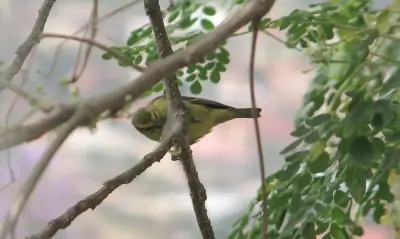 Yellow-fronted Canary — Small conical bill
Reptiles (4)
-
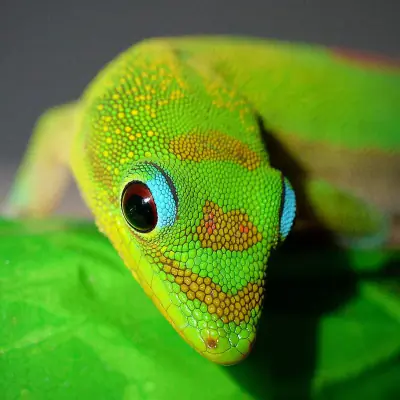 Gold Dust Day Gecko — Usually 4–6 inches long.
 -
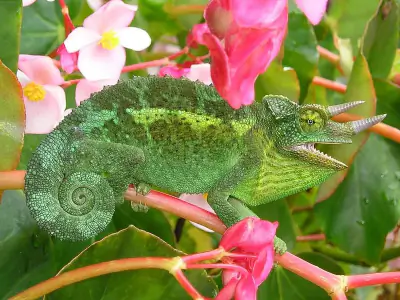 Jackson's Chameleon — Typically 8–13 inches long.
 -
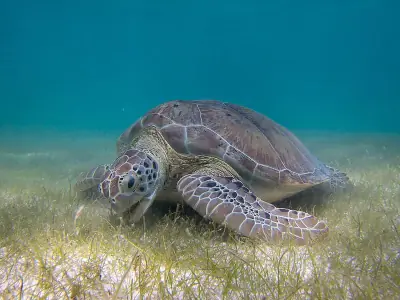 Green Sea Turtle — Adults can exceed 3 feet in shell length.
 -
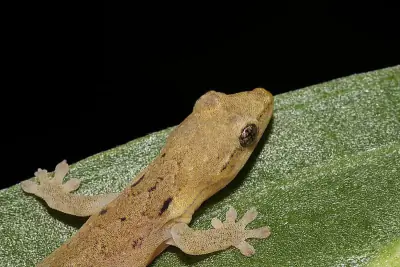 Mourning Gecko — Typically 3–4 inches long.
Amphibians (1)
-
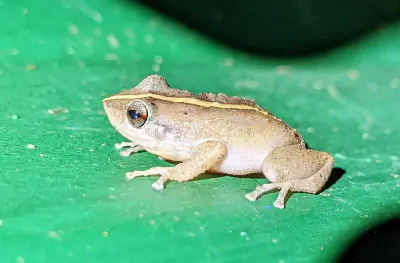 Common Coqui
Insects (5)
-
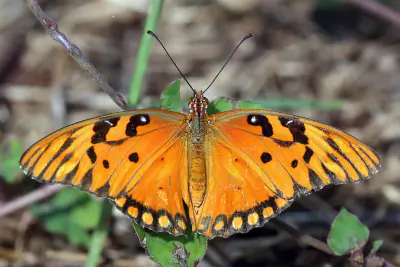 Gulf Fritillary
 -
 Black Witch
 -
 Yellow Fever Mosquito
 -
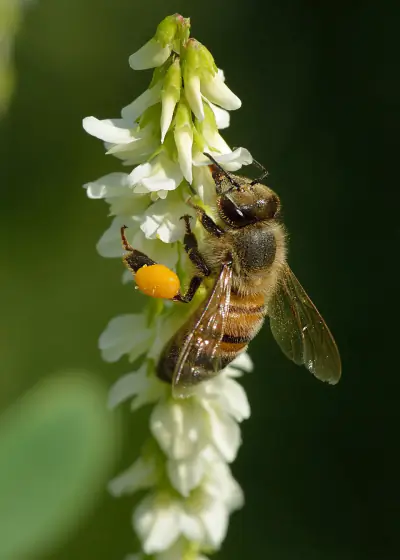 Western Honey Bee
 -
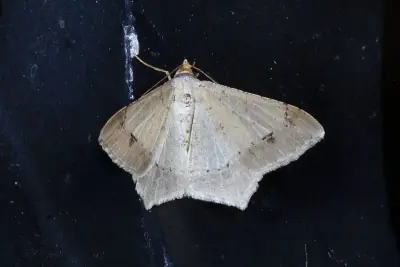 Dot-lined Angle
Other Wildlife (9)
-
Hawaiian Garden Spider
-
Shingle Urchin
-
Yellowstripe Goatfish
-
Thin-shelled Rock Crab
-
Tetragnatha quasimodo
Nature Bingo at Forested Pit Crater, Hawaiʻi Volcanoes NP
Can you spot them all? Check off each species as you find it on your visit.
Wildlife Challenge
Botany Challenge
Forested Pit Crater, Hawaiʻi Volcanoes NP Trip Planning & Access
Now for the logistics — distances, costs, and accessibility details for Forested Pit Crater.
Plan for a drive from San Jose to reach Forested Pit Crater.
Visitor Friendliness
Accessibility: dog-friendly (likely_allowed), family-friendly (excellent), elderly-friendly (highly_suitable).
- Dogs: likely_allowed — No restrictions found
- Families: excellent
- Elderly: highly_suitable
- Strollers: excellent (100/100)
- Beginners: Perfect for beginners (Moderate difficulty (+5), Good information available (+5))
- Accessibility: Generally accessible to most visitors (90/100)
Places Near Forested Pit Crater, Hawaiʻi Volcanoes NP
Extend your trip with these nearby outdoor spots.
Extend your visit with these nearby options — 12 destinations sit within range of Forested Pit Crater.
Nearby Trails
- Kahuku Road (pedestrian Access), Hawaii 0.9 mi
- Kahuku Kona Trail, Hawaii 1.97 mi
- Kahuku Glover Trail, Hawaii 2.17 mi
- Kahuku Palm Trail, Hawaii 2.44 mi
- The Palm Trail, Hawaiʻi Volcanoes NP 3.22 mi
Nearby Attractions
Stargazing & Night Sky at Forested Pit Crater, Hawaiʻi Volcanoes NP
The night sky adds another dimension to an overnight visit here.
Stargazing at Forested Pit Crater benefits from Excellent dark-sky site darkness — Bortle class 1 on the light pollution scale.
Meteor Showers
The Geminids peaks around December 13-14 and is the best meteor shower visible from here.
-
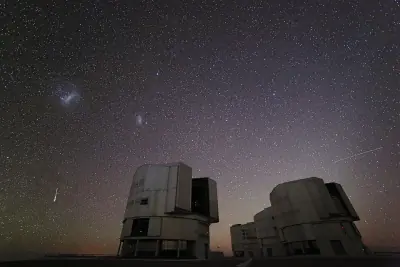 Geminids — peaks December 13-14 (excellent)
Find a dark location away from city lights and give your eyes 20–30 minutes to adjust for peak rates.
-
 Quadrantids — peaks January 3-4 (good)
Look toward the northern sky after midnight for the highest activity.
-
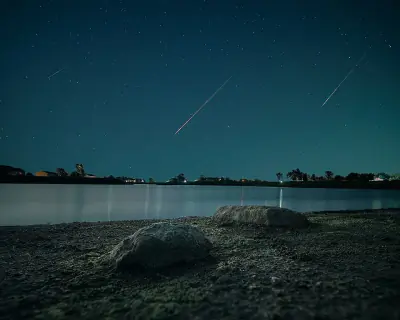 Perseids — peaks August 11-13 (good)
Expect fast, bright meteors and occasional fireballs under dark skies.
-
 Eta Aquariids — peaks May 5-6 (good)
Plan for early morning viewing; activity increases in the hours just before sunrise.
-
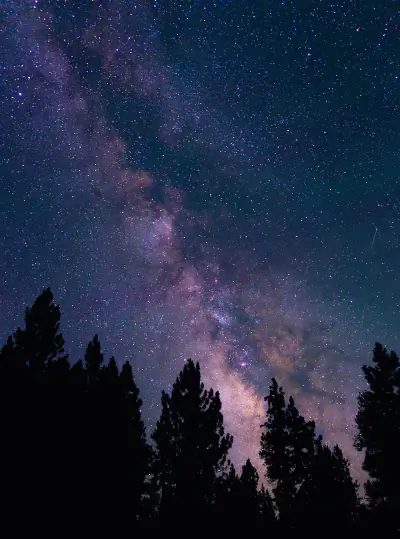 Delta Aquariids — peaks July 28-29 (good)
Southern states often see stronger activity due to radiant placement.
Planets
Planets visible to the naked eye from this location:
-
 Venus — The brightest planet, often called the Morning or Evening Star
 -
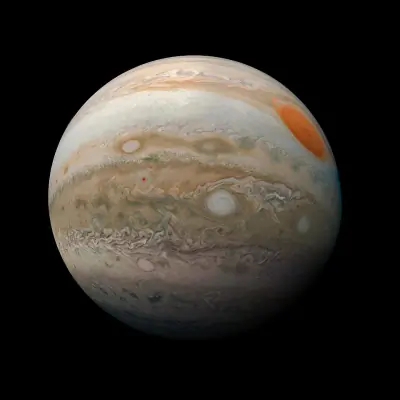 Jupiter — The largest planet, bright and steady in the night sky
 -
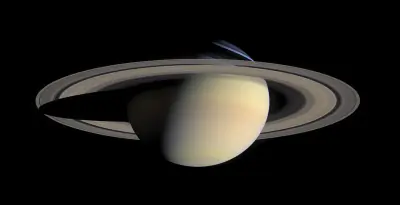 Saturn — Famous for its rings, visible as a golden steady light
 -
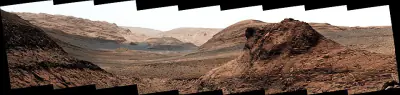 Mars — The Red Planet, recognizable by its reddish-orange hue
Equipment Guide
- Naked eye: Venus, Jupiter, Saturn, Mars, Mercury (with care)
- Binoculars: Jupiter moons, Uranus, Saturn rings (barely)
- Small telescope: Saturn rings, Jupiter bands, Mars surface features, Neptune
Viewing Tips
- Check planets rise/set times for your specific date
- Planets appear along the ecliptic (zodiac path)
- Planets don't twinkle like stars - steady light
- Venus and Jupiter are unmistakable - brightest objects after Moon
- Use a stargazing app to confirm planet positions
- Best viewing: when planet is highest in sky (transit)
Best Viewing Months
- Evening: Oct, Nov, Dec, Jan, Feb
- Morning: Jul, Aug, Sep
Seasonal Highlights at Forested Pit Crater, Hawaiʻi Volcanoes NP
Beyond the night sky, the changing seasons shape what you'll experience here.
Each season reveals a different side of Forested Pit Crater, from warming temperatures to cooler conditions.
Indigenous Land at Forested Pit Crater, Hawaiʻi Volcanoes NP
The natural world here has been shaped by thousands of years of Indigenous stewardship.
The land around Forested Pit Crater has been home to Nā moku ʻehā for thousands of years.
Territories
Languages
The languages traditionally spoken in this area include ʻŌlelo Hawaiʻi, Hoailona ʻŌlelo o Hawaiʻi (Hawai’i Sign Language).
Data from Native Land Digital
Forested Pit Crater, Hawaiʻi Volcanoes NP Geology & Natural History
Beyond the trails and wildlife, Forested Pit Crater sits within a landscape shaped by millions of years of geological processes. Here's what researchers and surveys have documented about this area.
Bedrock Geology
- Rock Type
- Kau Basalt
- Formation
- Kau Basalt
- Lithology
- Lava flows; basalt
- Age
- Holocene
Endangered Species
- Species at Risk
- 1780
- ESA Endangered
- 149
- ESA Threatened
- 2
- Conservation Score
- 100/100
Temperature Records
- Record High
- 96°F (1988-08-03)
- Record Low
- 39°F (1983-01-30)
Caves & Karst Features
- Feature Types
- Volcanic rocks with potential for pseudokarst
- Karst Score
- 30
Watershed
- Watershed
- Ninole Gulch-Frontal Pacific Ocean
- Water Quality (Good)
- 0%
- Impaired
- 0%
Forested Pit Crater, Hawaiʻi Volcanoes NP Safety & Conditions
Check current conditions from these authoritative sources before you go.
Conditions change quickly outdoors. These links provide current data for the area around Forested Pit Crater.
Coordinates: 19.132619, -155.686039