Kūloa Point - Last Stop, Haleakalā National Park
Attractions in Hawaii
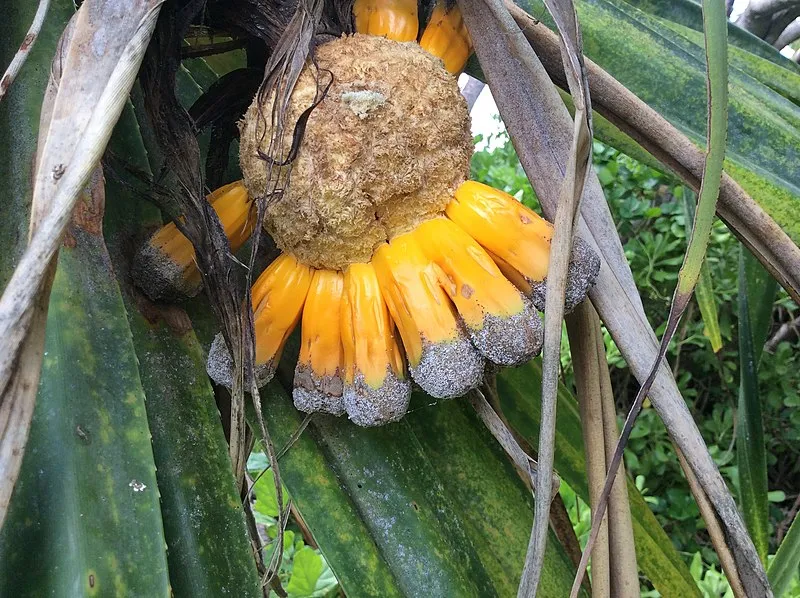
Photo: Jackie Frost/ NPS Photo / Public domain
Part of Haleakalā National Park
What to Pack for Kūloa Point - Last Stop, Haleakalā National Park
The right gear makes all the difference — here's a packing list tailored to this area.
Every item on this list exists because of specific conditions at Kūloa Point - Last Stop — Tropical terrain, variable conditions, and local wildlife.
Essential
-
Water (minimum 2L) — Water sources marked on maps may be seasonal or dry; carrying enough to complete your route prevents a dangerous shortfall.
-
Navigation (map/GPS/compass) — Getting lost is the leading cause of backcountry search-and-rescue calls; reliable navigation prevents the situation entirely.
-
Sun protection (sunglasses, sunscreen) — Prolonged sun exposure causes headaches, fatigue, and heat exhaustion that can cut a trip short or create a medical emergency.
-
First aid kit — Remote locations mean longer response times for help; a first aid kit bridges the gap between injury and professional care.
-
Extra food — High-energy snacks weigh little but provide crucial fuel if you need to bushwhack out or wait for conditions to improve.
-
Headlamp with extra batteries — Hands-free light is essential for navigating uneven terrain, setting up camp, or signaling for help at night.
-
Fire starter — Waterproof matches or a ferro rod weigh almost nothing and can be the difference between a cold night and a survivable one.
-
Emergency shelter (space blanket) — Wind and rain strip heat faster than most people realize; a compact emergency shelter blocks both.
-
Knife or multi-tool — A multi-tool handles problems you can't predict: jammed zippers, tangled line, first-aid tape cutting, or gear fixes on the trail.
-
Extra clothing layer — A lightweight fleece or puffy stuffs small but provides critical insulation if temperatures drop unexpectedly.
Activities & Best Time to Visit Kūloa Point - Last Stop, Haleakalā National Park
The Tropical terrain here lends itself to a range of outdoor activities throughout the year.
Outdoor recreation at Kūloa Point - Last Stop centers on hiking, with the May, Jun, Jul, Aug, Sep months offering the best conditions.
With a photography score of 35/100, Kūloa Point - Last Stop offers Exceptional dark sky (Bortle 1-2) and 1 excellent meteor showers worth capturing.
Activities
-
hiking — Hiking ranges from gentle nature walks to challenging summit climbs.
-
photography — Golden hour and dramatic weather can transform ordinary scenes into striking images.
-
picnicking — Picnicking turns a scenic overlook or shady grove into a memorable gathering spot.
-
running — Trail running combines endurance with changing terrain and natural views.
-
walking — Walking lets you slow down and notice details — wildflowers, birdsong, shifting light through trees.
-
wildlife_viewing — Early mornings and dusk offer the best chances to quietly spot native wildlife.
Best months: May, Jun, Jul, Aug, Sep
Terrain: Tropical — Dense plant growth and broadleaf species dominate many tropical areas.
Nature & Wildlife at Kūloa Point - Last Stop, Haleakalā National Park
The Tropical terrain here supports a rich ecosystem worth noticing as you explore.
The plant life here ranges from in the canopy to along the trail edges.
Mammals (2)
-
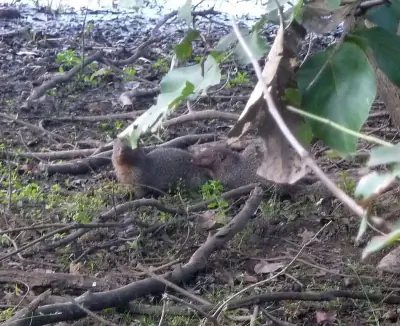 Small Indian Mongoose — Short legs and coarse fur.
 -
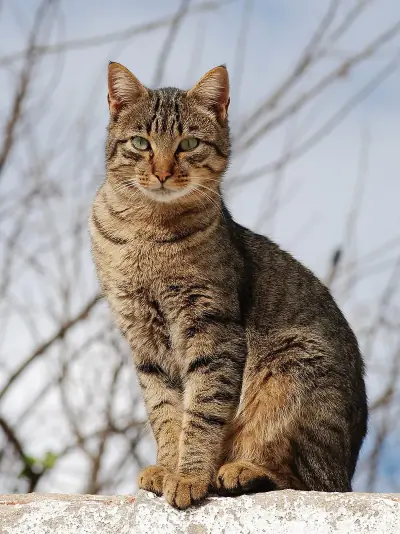 Domestic Cat — Retractable claws and sharp teeth adapted for hunting.
Birds (30)
-
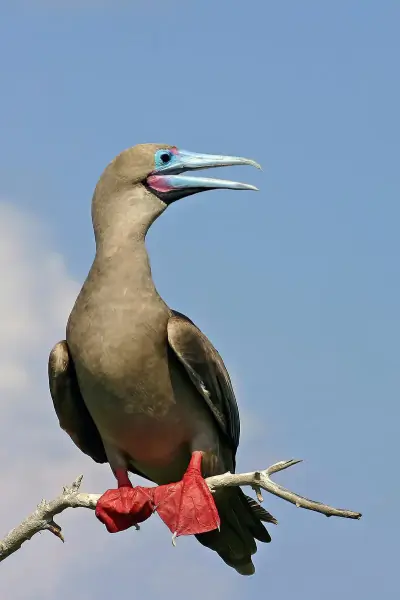 Red-footed Booby — Brown morph
 -
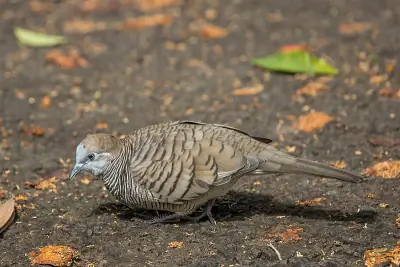 Zebra Dove — Blue eye ring
 -
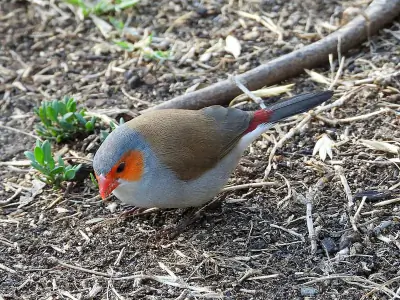 Orange-cheeked Waxbill — Orange cheek patch
 -
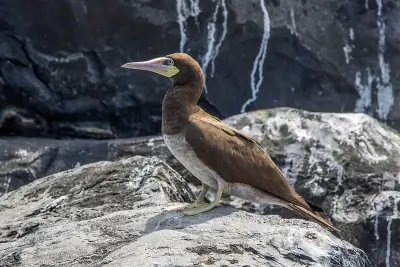 Brown Booby — White belly
 -
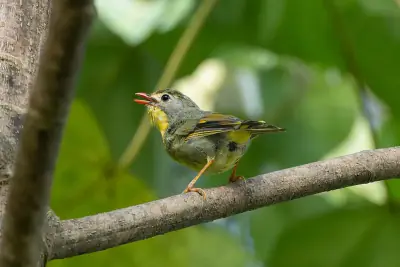 Red-billed Leiothrix — Red bill
Reptiles (7)
-
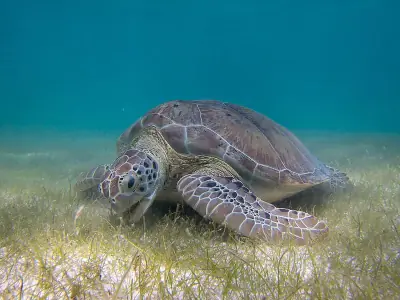 Green Sea Turtle — Head is relatively small compared to body size.
 -
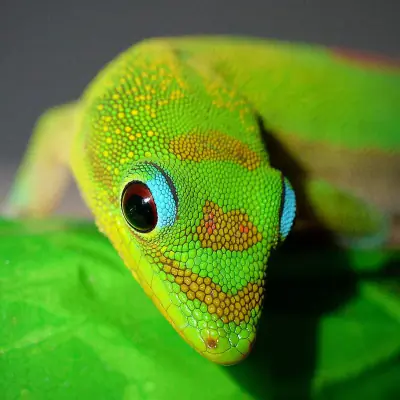 Gold Dust Day Gecko — Red markings may appear on snout and head.
 -
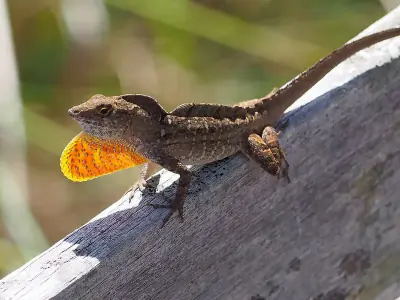 Brown Anole — Males display an orange-red throat fan.
 -
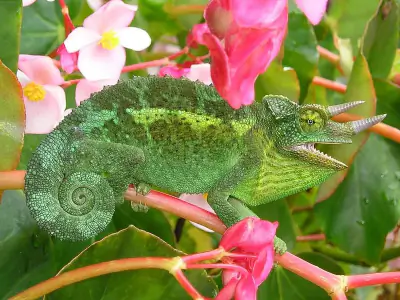 Jackson's Chameleon — Males possess three prominent facial horns.
 -
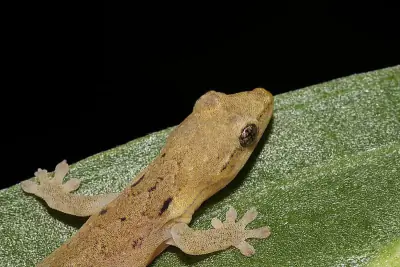 Mourning Gecko — Large eyes and adhesive toe pads are prominent.
Amphibians (1)
-
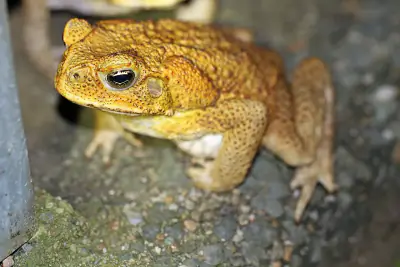 Cane Toad
Insects (3)
-
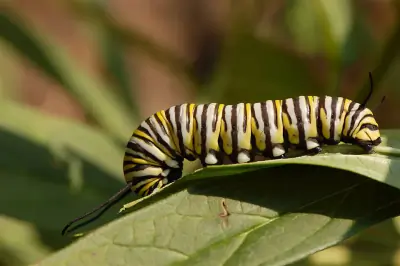 Monarch
 -
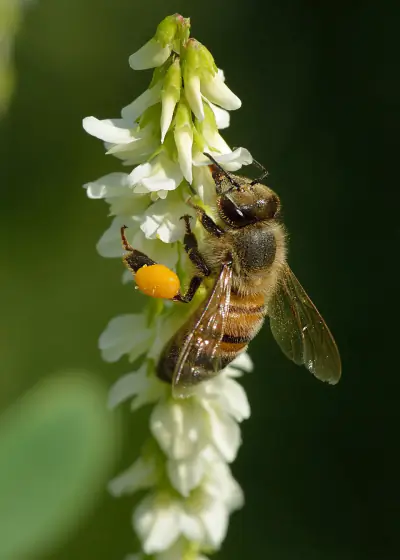 Western Honey Bee
 -
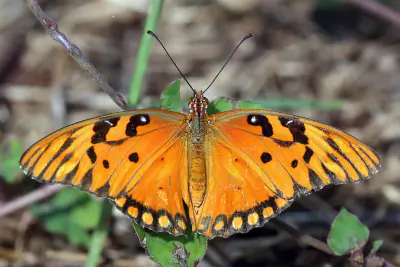 Gulf Fritillary
Other Wildlife (15)
-
Hawaiian Garden Spider
-
Thin-shelled Rock Crab
-
African Giant Snail
-
Shingle Urchin
-
Indo-Pacific Rock-boring Urchin
Nature Bingo at Kūloa Point - Last Stop, Haleakalā National Park
Can you spot them all? Check off each species as you find it on your visit.
Wildlife Challenge
Kūloa Point - Last Stop, Haleakalā National Park Trip Planning & Access
Ready to visit? Here's what to know about getting here and what it'll cost.
Trip planning for Kūloa Point - Last Stop starts with the 2345-mile route from San Jose.
Visitor Friendliness
Visitor friendliness: families (excellent), dogs (likely_allowed), elderly (highly_suitable).
- Dogs: likely_allowed — No restrictions found
- Families: excellent
- Elderly: highly_suitable (Unpaved surface)
- Strollers: possible (50/100)
- Beginners: Good starting point (Moderate difficulty (+5))
- Accessibility: Generally accessible to most visitors (90/100)
Places Near Kūloa Point - Last Stop, Haleakalā National Park
If you're in the area, these nearby destinations are worth considering too.
From campgrounds to trails to scenic attractions, 10 destinations surround Kūloa Point - Last Stop.
Nearby Trails
Nearby Campgrounds
Stargazing & Night Sky at Kūloa Point - Last Stop, Haleakalā National Park
If you're staying past sunset, the stargazing conditions here are worth planning around.
For anyone who stays past sunset, the Bortle 1 conditions here reward patience with constellations and bright planets.
Constellations
Look for Ursa Minor — all visible from this location depending on the season.
-
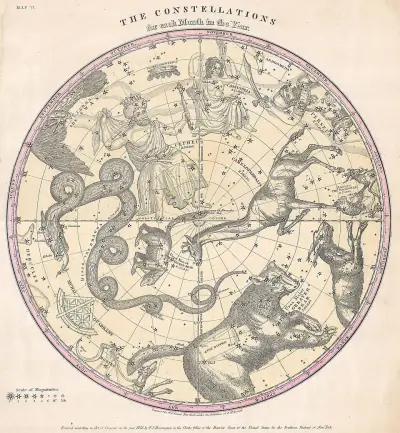 Ursa Minor — This compact constellation contains Polaris at the end of its handle, a reliable guide to true north.
Meteor Showers
For meteor viewing, the Geminids (December 13-14) offers the best show at this location.
-
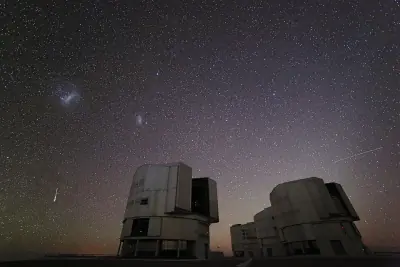 Geminids — peaks December 13-14 (excellent)
Cold December air often means clear skies—look overhead after midnight for bright, slow-moving meteors.
-
 Quadrantids — peaks January 3-4 (good)
Bundle up—January nights are frigid, but dark skies can produce bright fireballs.
-
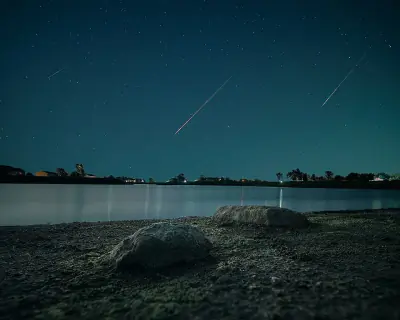 Perseids — peaks August 11-13 (good)
Peak activity typically builds after midnight when Perseus climbs higher.
-
 Eta Aquariids — peaks May 5-6 (good)
Southern U.S. observers often get better rates due to the radiant's position.
-
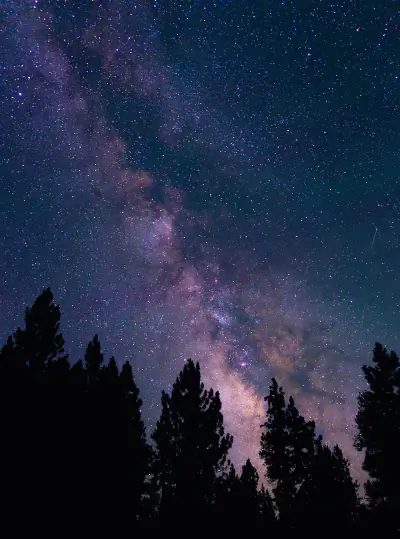 Delta Aquariids — peaks July 28-29 (good)
This steady shower rewards patient observers in dark, moonless conditions.
Planets
Planets visible to the naked eye from this location:
-
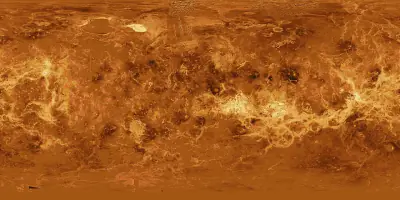 Venus — The brightest planet, often called the Morning or Evening Star
 -
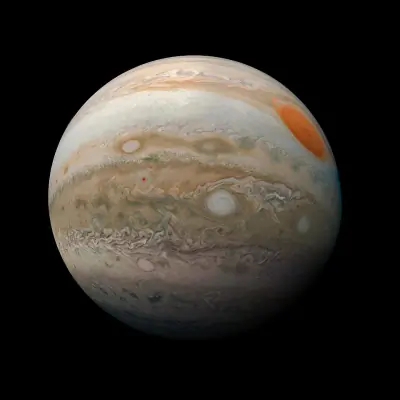 Jupiter — The largest planet, bright and steady in the night sky
 -
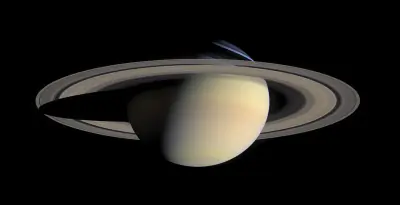 Saturn — Famous for its rings, visible as a golden steady light
 -
 Mars — The Red Planet, recognizable by its reddish-orange hue
Equipment Guide
- Naked eye: Venus, Jupiter, Saturn, Mars, Mercury (with care)
- Binoculars: Jupiter moons, Uranus, Saturn rings (barely)
- Small telescope: Saturn rings, Jupiter bands, Mars surface features, Neptune
Viewing Tips
- Check planets rise/set times for your specific date
- Planets appear along the ecliptic (zodiac path)
- Planets don't twinkle like stars - steady light
- Venus and Jupiter are unmistakable - brightest objects after Moon
- Use a stargazing app to confirm planet positions
- Best viewing: when planet is highest in sky (transit)
Best Viewing Months
- Evening: Oct, Nov, Dec, Jan, Feb
- Morning: Jul, Aug, Sep
Seasonal Highlights at Kūloa Point - Last Stop, Haleakalā National Park
Each season brings something different to this area.
From warming temperatures in spring to cooler conditions in autumn, Kūloa Point - Last Stop rewards visitors in every season.
Indigenous Land at Kūloa Point - Last Stop, Haleakalā National Park
Long before trails were marked and campgrounds built, this land was home to Indigenous peoples.
This area's history extends far beyond recreation — it is the traditional territory of Nā moku ʻehā.
Territories
Languages
2 Indigenous languages are associated with the peoples of this area: ʻŌlelo Hawaiʻi, Hoailona ʻŌlelo o Hawaiʻi (Hawai’i Sign Language).
Data from Native Land Digital
Kūloa Point - Last Stop, Haleakalā National Park Geology & Natural History
Beyond the trails and wildlife, Kūloa Point - Last Stop sits within a landscape shaped by millions of years of geological processes. Here's what researchers and surveys have documented about this area.
Endangered Species
- Species at Risk
- 1780
- ESA Endangered
- 149
- ESA Threatened
- 2
- Conservation Score
- 100/100
Temperature Records
- Record High
- 132°F (2015-02-15)
- Record Low
- 43°F (1906-03-09)
Watershed
- Watershed
- Maalaea Bay-Pacific Ocean
Kūloa Point - Last Stop, Haleakalā National Park Safety & Conditions
Conditions change fast outdoors — bookmark these official sources for your visit.
The data above tells you what's typical — these links tell you what's happening at Kūloa Point - Last Stop right now.
Coordinates: 20.662723, -156.041741