Navajo Nm Trail, Navajo National Monument
Trails in Arizona
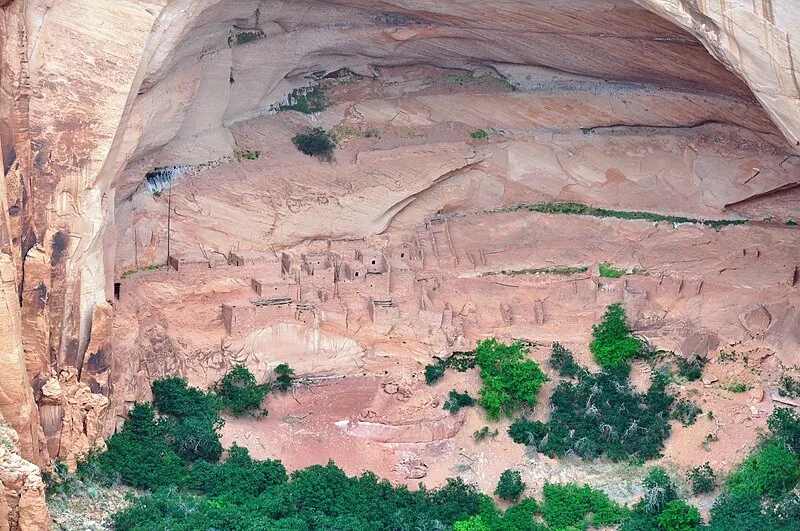
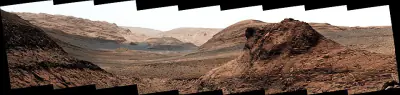
Photo: Jarek Tuszyński / CC BY 4.0
Part of Navajo National Monument
What to Pack for Navajo Nm Trail, Navajo National Monument
Given these conditions, here's what to pack for a safe and comfortable visit.
The right gear turns potential problems into non-issues. Here's what Navajo Nm Trail demands.
Essential
-
Water (minimum 2L) — Dehydration impairs judgment and endurance long before you feel thirsty; 2L is the minimum for a moderate day hike.
-
Navigation (map/GPS/compass) — Phone batteries die, cell service disappears, and trail signs get vandalized; a paper map and compass always work.
-
Sun protection (sunglasses, sunscreen) — UV exposure intensifies at elevation and near reflective surfaces like water and snow; sunburn can happen in under 30 minutes.
-
First aid kit — Blisters, cuts, and sprains happen on even the easiest trails; basic supplies let you treat problems before they force a retreat.
-
Extra food — A wrong turn or unexpected storm can extend any outing by hours; extra calories prevent fatigue and poor decision-making.
-
Headlamp with extra batteries — Trails that seem short in daylight can take twice as long with route-finding or elevation; a headlamp keeps you moving safely after dark.
-
Fire starter — Hypothermia can set in even during summer at higher elevations; a reliable fire starter provides warmth and a signal for rescuers.
-
Emergency shelter (space blanket) — A space blanket weighs under two ounces and reflects up to 90% of body heat, buying time in an unplanned overnight.
-
Knife or multi-tool — From cutting cord to preparing food to improvising gear repairs, a knife is the most versatile tool you can carry.
-
Extra clothing layer — Mountain weather can shift from sunshine to sleet within an hour; an extra layer prevents dangerous heat loss.
Wildlife Gear
-
Bear canister — Storing food in a bear canister prevents bears from associating humans with food, which is the leading cause of dangerous bear behavior.
-
Bear spray — Studies show bear spray stops aggressive bear behavior in over 90% of encounters, outperforming firearms in field effectiveness.
-
Bear bell — Most bear encounters happen when hikers surprise a bear at close range; a bell provides continuous noise that alerts bears to your presence.
-
Hiking buddy (avoid solo) — Groups of three or more are almost never involved in serious bear incidents; larger groups make more noise and appear more intimidating.
-
Noise maker — Clapping, whistling, or using an air horn warns wildlife of your approach, preventing surprise encounters on blind corners.
-
Gaiters — Snake-proof gaiters provide a physical barrier against venomous bites below the knee, where most strikes occur.
-
First-aid snakebite kit — While evacuation to a hospital is the priority, a snakebite kit helps you stay calm and follow proper first-aid protocols.
Climate Gear
-
Insulated layers — Body heat escapes rapidly when you stop moving; an insulated layer traps warmth during breaks and at camp.
-
Hand warmers — Cold fingers lose dexterity fast, making it harder to operate zippers, buckles, and navigation devices when you need them most.
-
Thermos — A hot drink on a cold trail restores core temperature and morale faster than any other comfort item.
-
Layering system (wide temp swings) — Desert and mountain environments can swing 40+ degrees between dawn and midday; layers let you adapt without overheating or freezing.
Terrain Gear
-
Trekking poles — Poles reduce knee impact by up to 25% on steep descents, preventing the joint pain that slows hikers on long routes.
-
Ankle-support boots — Loose rock, roots, and uneven terrain put constant lateral stress on ankles; supportive boots prevent the sprains that end trips.
-
SPF50 lip balm — Lips lack melanin and burn faster than other skin; cracked, sunburned lips at altitude are painful and slow to heal.
Seasonal Gear
- Spring: Camera, Wildflower field guide
- Fall: Camera, Binoculars (foliage viewing)
- Winter: Microspikes/traction devices
Activities & Best Time to Visit Navajo Nm Trail, Navajo National Monument
The Mountain Forest terrain here lends itself to a range of outdoor activities throughout the year.
Navajo Nm Trail draws visitors for hiking, but the 6 available activities mean there's more here than most expect.
Photographers rate this area 65/100, with Exceptional dark sky (Bortle 1-2) and 3 excellent meteor showers being a major draw.
Activities
-
hiking — Follow marked trails through forests, deserts, or alpine terrain for a deeper connection with nature.
-
photography — Capture landscapes, wildlife, and changing light across trails, coastlines, and mountain vistas.
-
picnicking — Spread a blanket, unpack a meal, and enjoy food outdoors surrounded by fresh air and open views.
-
running — Hit scenic trails or park loops for a workout surrounded by fresh air and open space.
-
walking — A simple way to explore trails, shorelines, and park paths at your own pace while taking in the scenery.
-
wildlife_viewing — Observe animals in their natural habitats, from grazing deer to soaring raptors overhead.
Best months: May, Jun, Jul, Aug, Sep
Terrain: Mountain Forest — Mountain forests combine dense tree cover with steep slopes and elevation changes.
Wildlife Safety at Navajo Nm Trail, Navajo National Monument
While the wildlife here is part of the experience, some species require caution and preparation.
Awareness is the best safety tool at Navajo Nm Trail. Here are the wildlife considerations for this area.
- Bears present
- Mountain lions
- Venomous snakes
- Remote (239mi from city)
- Exceptional dark sky (Bortle 1-2)
- 3 excellent meteor showers
- Fall foliage
- Spring wildflowers
Bears
This is Black Bear country. Encounters are uncommon but possible, especially during .
A stocky bear with rounded ears, a straight facial profile, and short curved claws built for climbing.
Store all food and scented items in bear-resistant containers and keep a clean campsite.
- Store food properly - use bear boxes or hang food bags
- Keep a clean camp - no food scraps
- Make noise while hiking
- Never approach cubs - mother is nearby
- Back away slowly if you encounter a bear
Venomous Snakes
Venomous snakes here include Western Diamondback, Mojave, Sidewinder. They're most active during warm months.
A heavy-bodied rattlesnake with bold diamond-shaped blotches along the back and a black-and-white banded tail ending in a rattle.
Seek emergency medical care immediately and keep the bitten limb immobilized at heart level.
A large rattlesnake with diamond-like dorsal blotches and a banded tail similar to the Western Diamondback.
Call emergency services immediately and limit movement to slow venom spread.
A small pale rattlesnake with horn-like scales above each eye and a sidewinding mode of travel.
Seek immediate medical attention and immobilize the affected limb.
- Watch where you step and place hands
- Stay on trails
- Wear boots and long pants in snake country
- Do not reach under rocks or logs
- If bitten: stay calm, immobilize limb, seek medical help immediately
- Do NOT: cut wound, suck venom, apply tourniquet, ice, or alcohol
Nature & Wildlife at Navajo Nm Trail, Navajo National Monument
The Mountain Forest terrain here supports a rich ecosystem worth noticing as you explore.
30 bird species have been documented near Navajo Nm Trail, alongside 4 mammals and a rich variety of native plants.
Trees (2)
-
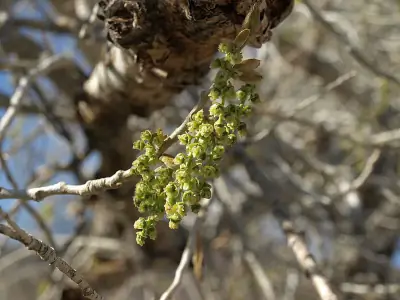 Frémont Cottonwood — Fluffy seeds are released from capsules in spring.
 -
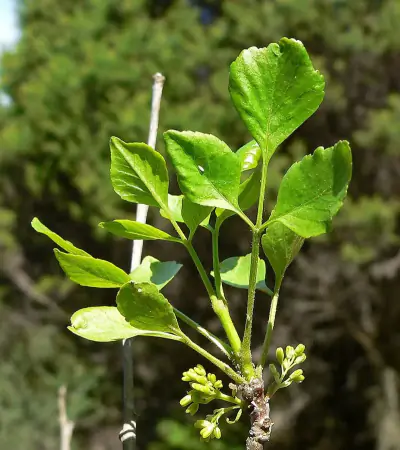 single-leaf ash — Winged seeds form in clusters.
Wildflowers (5)
-
Eastwood's monkeyflower — Yellow tubular flowers with red spotting.
-
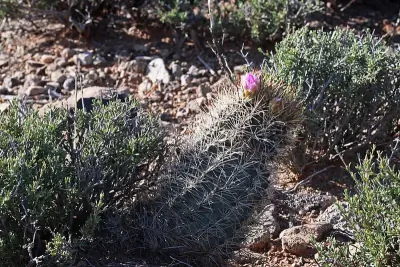 Smallflower Fishhook Cactus — Rounded cactus with hooked central spines.
 -
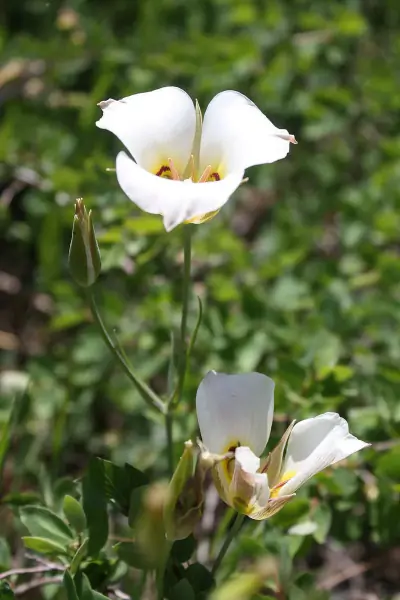 Sego Lily — White to lilac cup-shaped flowers with purple markings.
 -
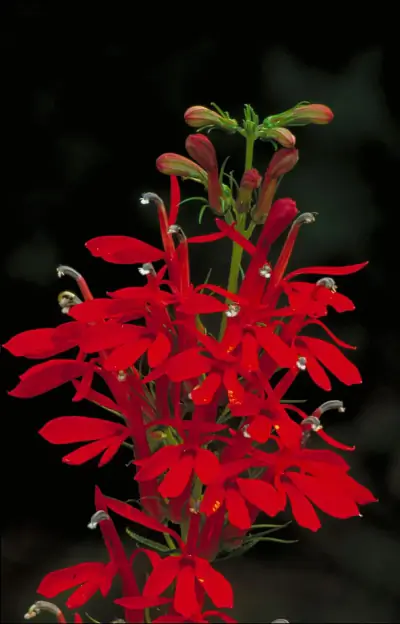 cardinal flower — Tall spikes of vivid red tubular flowers.
 -
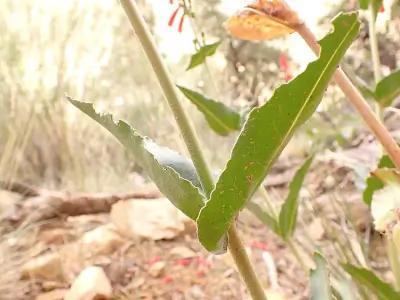 firecracker penstemon — The plant thrives on rocky slopes and dry soils.
Shrubs (1)
-
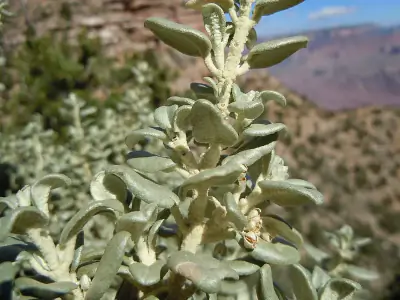 Roundleaf buffaloberry — A thorny shrub with silvery round leaves and small yellow flowers.
Other Plants (5)
-
Sacred Datura
-
black maidenhair fern
-
gilia beardtongue
-
Scarlet Gilia
-
Tamarisks
Mammals (4)
-
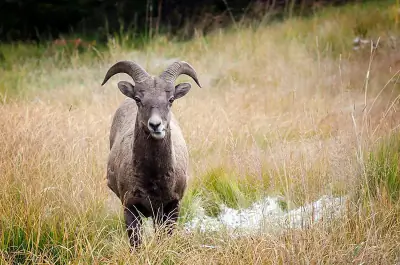 Bighorn Sheep — Stocky mountain sheep with tan coat and white rump.
 -
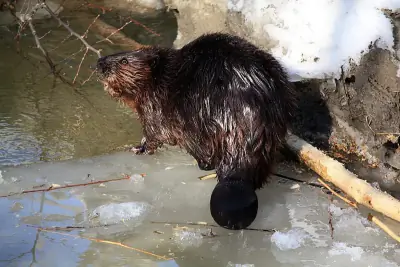 American Beaver — A large semi-aquatic rodent with flat paddle-shaped tail.
 -
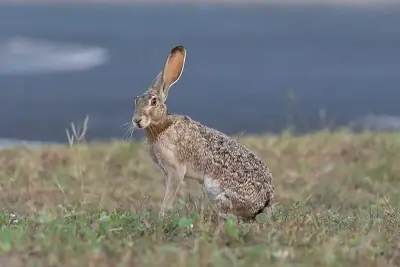 Black-tailed Jackrabbit — A large hare with very long ears tipped in black.
 -
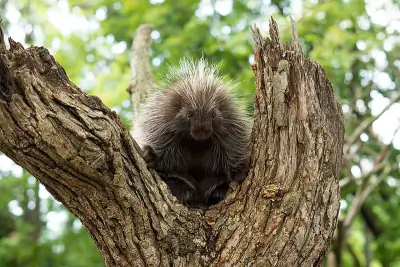 North American Porcupine — A slow-moving rodent covered in sharp quills over its back and tail.
Birds (30)
-
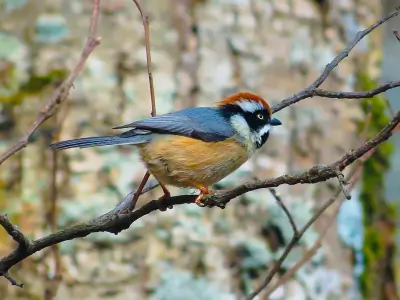 Bushtit — Tiny gray bird with long tail
 -
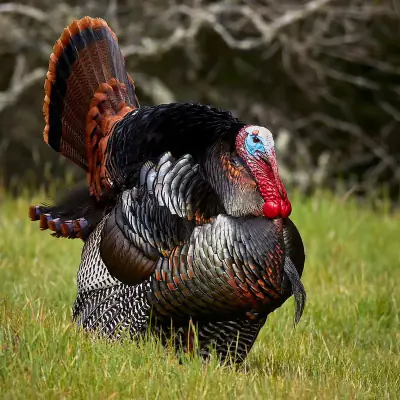 Wild Turkey — Large dark bird with iridescent bronze sheen
 -
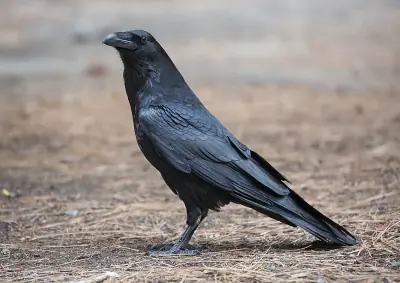 Common Raven — Large all-black bird with shaggy throat
 -
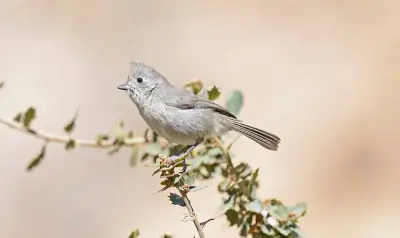 Juniper Titmouse — Plain gray body
 -
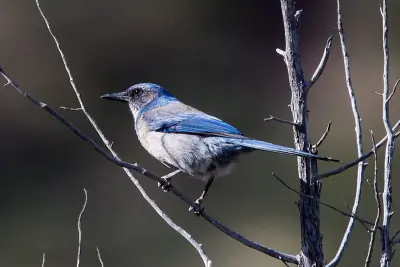 Woodhouse's Scrub-Jay — Blue head and wings
Reptiles (10)
-
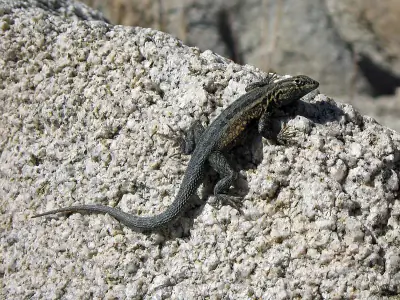 Common Side-blotched Lizard — A small slender lizard with mottled brown or gray coloration.
 -
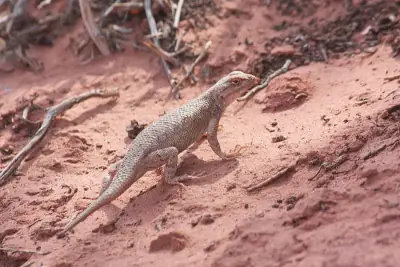 Desert Spiny Lizard — A robust lizard with rough spiny scales and gray to brown coloration.
 -
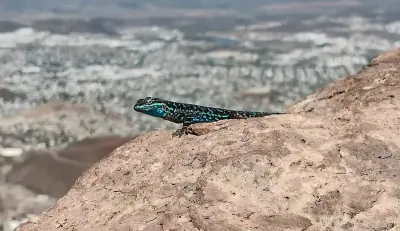 Ornate Tree Lizard — A small spiny lizard with gray to brown coloration and subtle patterning.
 -
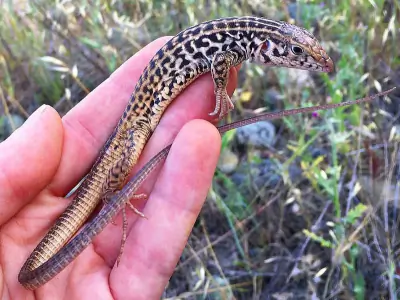 Western Whiptail — A slender, fast-moving lizard with a very long tail and distinct pale stripes over a dark body.
 -
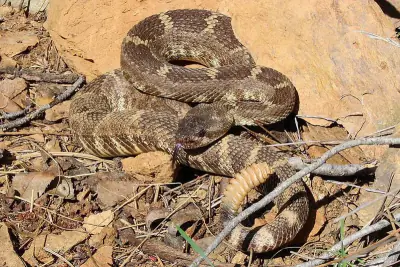 Western Rattlesnake — A heavy-bodied pit viper with dark blotches along a brown or gray body.
Amphibians (4)
-
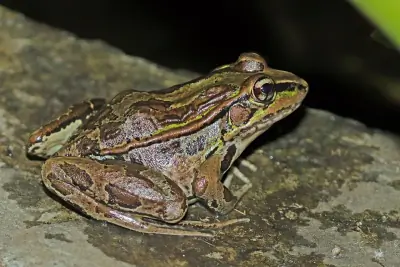 Northern Leopard Frog
 -
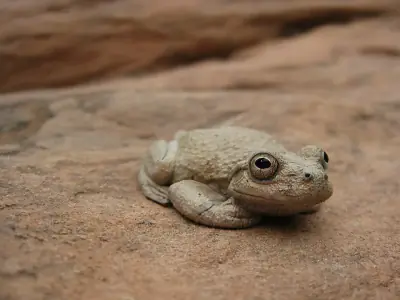 Canyon Tree Frog
 -
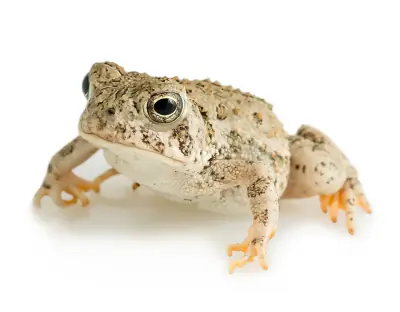 Woodhouse's Toad
 -
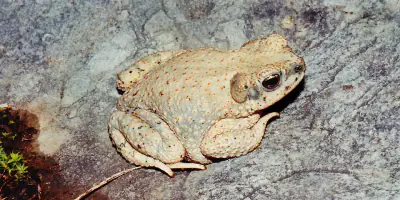 Red-spotted Toad
Insects (8)
-
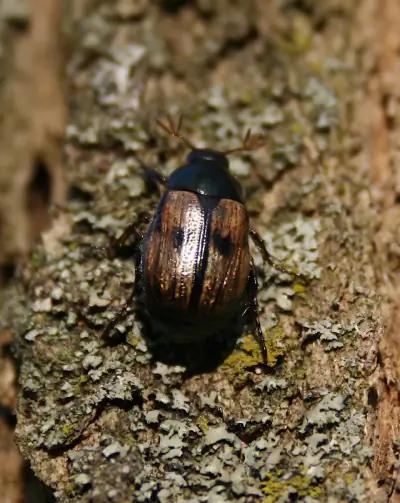 Shining Leaf Chafer Beetle
 -
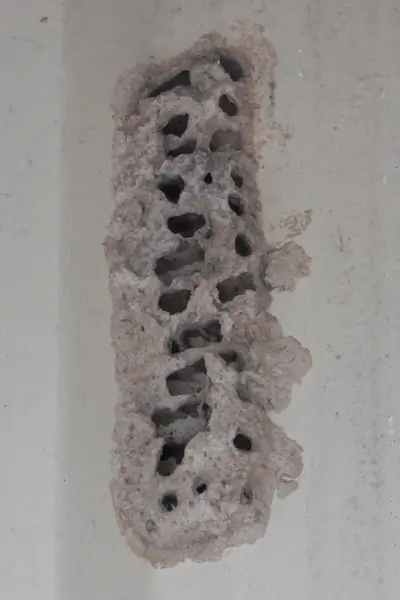 Yellow-legged Mud-dauber Wasp
 -
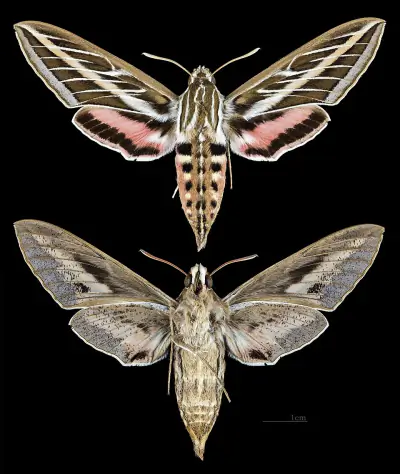 White-lined Sphinx
 -
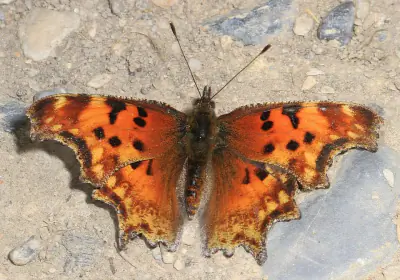 Hoary Comma
 -
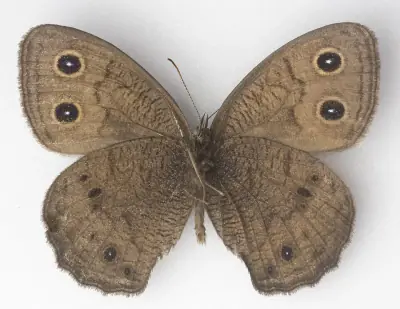 Great Basin Wood-Nymph
Fungi (1)
-
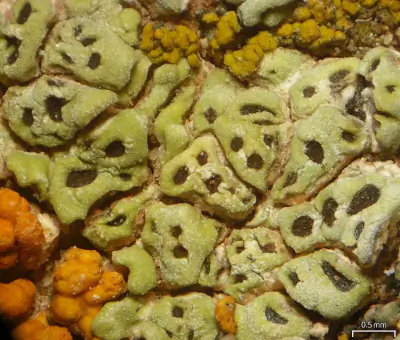 hoary cobblestone lichen
Other Wildlife (10)
-
Channel Catfish
-
Bluegill
-
European Carp
-
Striped Bass
-
Arizona Bark Scorpion
Nature Bingo at Navajo Nm Trail, Navajo National Monument
Can you spot them all? Check off each species as you find it on your visit.
Wildlife Challenge
Botany Challenge
Navajo Nm Trail, Navajo National Monument Climate & Sun
For detailed planning, here's the climate data for this area.
The weather at Navajo Nm Trail follows a Arid pattern — here's the monthly breakdown.
Climate type: Arid
Annual avg temp: 50.9°F
Annual precipitation: 11 in
With an average annual temperature of 50.9°F and 11 inches of precipitation, Navajo Nm Trail has mild, dry conditions. Summer highs average around 73°F, while winter lows drop to 31°F.
Best months to visit: May, Jun, Jul, Aug, Sep, Oct. Consider avoiding: Jan, Dec.
| Month | Avg Temp | Precip |
|---|---|---|
| Jan | 31°F | 1.2 in |
| Feb | 34°F | 1.1 in |
| Mar | 41°F | 0.8 in |
| Apr | 47°F | 0.6 in |
| May | 57°F | 0.6 in |
| Jun | 68°F | 0.2 in |
| Jul | 73°F | 1.2 in |
| Aug | 71°F | 1.5 in |
| Sep | 64°F | 1.2 in |
| Oct | 53°F | 1.0 in |
| Nov | 41°F | 0.6 in |
| Dec | 31°F | 1.0 in |
Daylight & Sun Times
Daylight ranges from 9.7 hours in winter to 14.7 hours in summer — a difference of 5 hours.
Summer: 5:02 AM – 7:41 PM
Winter: 7:27 AM – 5:07 PM
Navajo Nm Trail, Navajo National Monument Trip Planning & Access
Planning your trip to Navajo Nm Trail — here's the practical information you'll need.
From Phoenix, Navajo Nm Trail is a drive covering 239 miles.
Visitor Friendliness
This location rates likely_allowed for dogs, excellent for families, and highly_suitable for elderly visitors.
- Dogs: likely_allowed — No restrictions found
- Families: excellent
- Elderly: highly_suitable (Paved surface)
- Strollers: excellent (100/100)
- Beginners: Good starting point (Moderate difficulty (+5))
- Accessibility: Generally accessible to most visitors (90/100)
Places Near Navajo Nm Trail, Navajo National Monument
There's more to explore in this part of Arizona.
Here's what else is nearby if you want to expand your itinerary beyond Navajo Nm Trail.
Nearby Campgrounds
Stargazing & Night Sky at Navajo Nm Trail, Navajo National Monument
Once you're geared up and settled in, the night sky here offers its own rewards.
Navajo Nm Trail sits under Bortle class 1 skies — Excellent dark-sky site for stargazing in Arizona.
Constellations
From Navajo Nm Trail, you can trace Ursa Minor, Cassiopeia, Cepheus across the sky on clear nights.
-
 Ursa Minor — Home to Polaris, the North Star, Ursa Minor forms a small dipper shape that circles the northern sky year-round.
 -
 Cassiopeia — Easily recognized by its bright W-shaped pattern, Cassiopeia stands out in northern skies.
 -
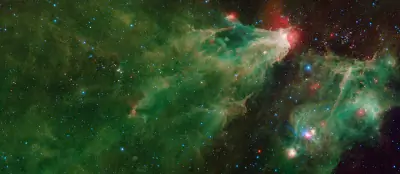 Cepheus — Cepheus appears as a faint house-shaped pattern near Polaris in the northern sky.
Meteor Showers
Time your visit around December 13-14 for the Geminids, the strongest meteor shower visible from this latitude.
-
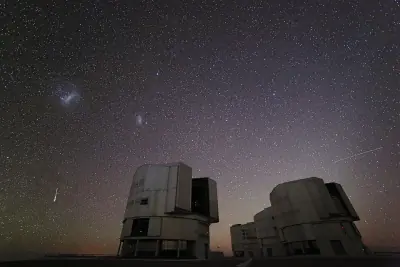 Geminids — peaks December 13-14 (excellent)
One of the most reliable and active showers of the year; best viewed after 10 PM when Gemini rises higher in the sky.
-
 Quadrantids — peaks January 3-4 (excellent)
This brief but intense shower peaks before dawn; early morning hours offer the best chance to see multiple meteors.
-
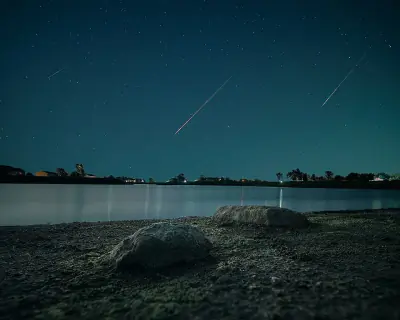 Perseids — peaks August 11-13 (excellent)
A summer favorite with warm nighttime viewing; look northeast after 10 PM.
-
 Eta Aquariids — peaks May 5-6 (good)
Best seen before dawn in the southeastern sky as Aquarius rises.
-
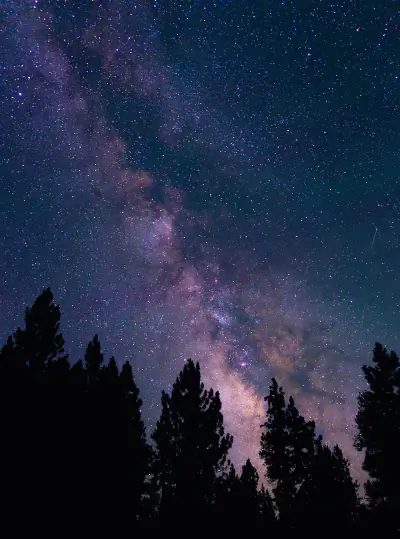 Delta Aquariids — peaks July 28-29 (fair)
Best viewed after midnight when Aquarius is higher in the southern sky.
Planets
Planets visible to the naked eye from this location:
-
 Venus — The brightest planet, often called the Morning or Evening Star
 -
 Jupiter — The largest planet, bright and steady in the night sky
 -
 Saturn — Famous for its rings, visible as a golden steady light
 -
 Mars — The Red Planet, recognizable by its reddish-orange hue
Equipment Guide
- Naked eye: Venus, Jupiter, Saturn, Mars, Mercury (with care)
- Binoculars: Jupiter moons, Uranus, Saturn rings (barely)
- Small telescope: Saturn rings, Jupiter bands, Mars surface features, Neptune
Viewing Tips
- Check planets rise/set times for your specific date
- Planets appear along the ecliptic (zodiac path)
- Planets don't twinkle like stars - steady light
- Venus and Jupiter are unmistakable - brightest objects after Moon
- Use a stargazing app to confirm planet positions
- Best viewing: when planet is highest in sky (transit)
Best Viewing Months
- Evening: Oct, Nov, Dec, Jan, Feb
- Morning: Jul, Aug, Sep
Seasonal Highlights at Navajo Nm Trail, Navajo National Monument
The sky isn't the only thing that changes with the seasons at Navajo Nm Trail.
Navajo Nm Trail is a year-round destination, but each season has its own character and highlights.
Spring Wildflowers
Peak bloom: April - May
Check local park websites for bloom reports
Fall Foliage
Peak color: September 15 – October 10
Best trees for color: Aspen, Cottonwood, Scrub Oak
At 7312ft elevation, expect peak 1-2 weeks earlier
Bird Migration
Spring peak: April - May
Fall peak: September - October
Best spots: Wetlands, coastlines, mountain ridges
Indigenous Land at Navajo Nm Trail, Navajo National Monument
This area sits on land with a deep human history that predates modern recreation.
The 5 Indigenous groups connected to this land include Diné Bikéyah, Nuwuvi (Southern Paiute), Hopitutskwa.
Languages
Indigenous languages connected to this territory include Hopilavayi, Diné Bizaad.
Data from Native Land Digital
Navajo Nm Trail, Navajo National Monument Geology & Natural History
Beyond the trails and wildlife, Navajo Nm Trail sits within a landscape shaped by millions of years of geological processes. Here's what researchers and surveys have documented about this area.
Bedrock Geology
- Rock Type
- Glen Canyon Group
- Formation
- Navajo Sandstone; Kayenta Formation; Moenave Formation
- Lithology
- Major:{sandstone}, Minor:{siltstone,sandstone mudstone}
- Age
- Jurassic
Fossils
- Fossil Occurrences
- 7
- Unique Species
- 7
- Oldest
- 199.5 million years ago
Mineral Deposits
- Deposit Sites
- 32
- Richness
- High
- Minerals Found
- Uranium, Vanadium, Copper, Clay, Sand and Gravel, Construction, Limestone, General
Endangered Species
- Species at Risk
- 1478
- ESA Endangered
- 29
- ESA Threatened
- 16
- Conservation Score
- 100/100
Temperature Records
- Record High
- 105°F (1943-07-10)
- Record Low
- -19°F (1961-12-12)
Wildfire History
This area has a high wildfire risk. Check current fire conditions before visiting and follow all fire restrictions. Campfires may be banned during dry seasons.
- Recorded Fires
- 4
- Largest Fire
- Admin Unit FY16 Pile Burn AddOn (50.2 acres)
- Most Recent
- 2024
- Fire Risk
- High
Watershed
- Watershed
- Parrish Creek
- Water Quality (Good)
- 0%
- Impaired
- 0%
Reported Phenomena
- UFO Sightings
- 3 (NUFORC)
- Eeriness Score
- 6/100
Navajo Nm Trail, Navajo National Monument Safety & Conditions
Before heading out, check these real-time safety resources for current conditions.
Check these official resources for current conditions at Navajo Nm Trail before you go.
Coordinates: 36.677558, -110.541127