Hackamore Ohv Staging Area, Maricopa
OHV Areas in Arizona
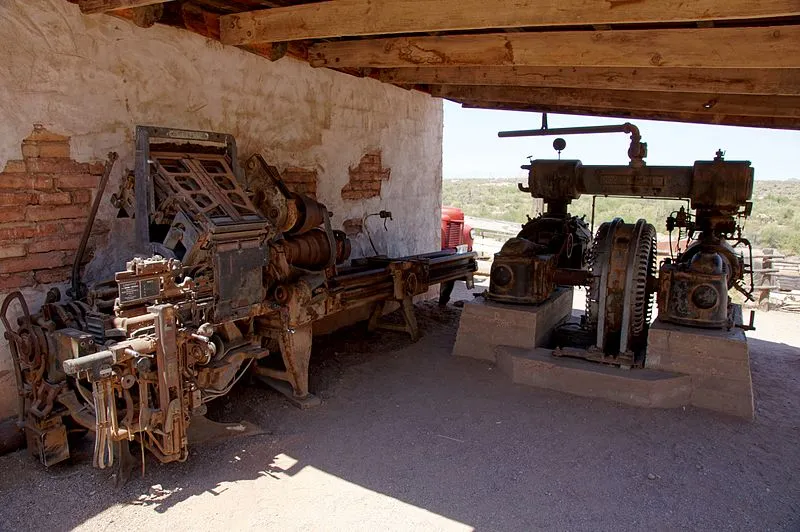
Photo: Allie_Caulfield / CC BY 2.0
Near Tortilla Flat, AZ in Arizona
What to Pack for Hackamore Ohv Staging Area, Maricopa
Pack with the terrain and wildlife in mind, and you'll be ready for anything here.
Don't underpack for Hackamore Ohv Staging Area. The conditions here — Desert, Mediterranean — call for thoughtful gear choices.
Essential
-
Water (minimum 2L) — Even cool-weather hiking demands steady hydration, as exertion and altitude increase water loss faster than most expect.
-
Navigation (map/GPS/compass) — Even well-marked trails have confusing junctions, especially in fog or snow; a GPS unit or downloaded map keeps you on route.
-
Sun protection (sunglasses, sunscreen) — Quality sunglasses prevent snow blindness and reduce eye strain during long days on exposed trails or ridgelines.
-
First aid kit — Adhesive bandages, antiseptic, and athletic tape handle the most common trail injuries and weigh under a pound.
-
Extra food — Blood sugar drops fast during sustained effort outdoors, and having a reserve keeps your body and mind sharp.
-
Headlamp with extra batteries — Batteries drain faster in cold weather; carrying spares ensures you won't be left in the dark when you need light most.
-
Fire starter — Starting a fire boosts morale and provides light, warmth, and a way to purify water in an emergency.
-
Emergency shelter (space blanket) — If an injury forces you to stop moving, a reflective blanket prevents the rapid heat loss that leads to hypothermia.
-
Knife or multi-tool — In a survival situation, a blade lets you process tinder, build shelter, and prepare food.
-
Extra clothing layer — Wet clothing accelerates cooling; a dry backup layer can prevent hypothermia when conditions turn.
Wildlife Gear
-
Hiking buddy (avoid solo) — Solo hikers are more vulnerable to predatory behavior from mountain lions, which typically avoid groups.
-
Noise maker — A loud whistle doubles as a rescue signal, serving both wildlife safety and emergency communication.
-
Gaiters — Beyond snakes, gaiters also protect against thorns, brush, and ticks in overgrown trail sections.
-
First-aid snakebite kit — A lightweight pressure bandage and marker for tracking swelling take up minimal space but provide critical aid.
Climate Gear
-
Extra water (1L/hr) — Pre-hydrating the morning before a hot hike and carrying electrolytes along with water maximizes absorption.
-
Electrolytes — A few electrolyte packets weigh nothing and can prevent the nausea, confusion, and weakness that sideline hikers in hot conditions.
-
Cooling towel — In dry heat, soaking a towel uses minimal water but provides significant thermoregulation during exposed trail sections.
Terrain Gear
-
Wide-brim hat — Desert and alpine environments with little tree cover leave you fully exposed; a hat is your primary shade source.
-
Sunscreen SPF50+ — Apply 30 minutes before exposure and reapply every 2 hours; sweating and pack straps rub sunscreen off faster than expected.
-
Extra water (desert) — Even well-mapped springs can go dry after low-snowpack years; always carry surplus and check recent trip reports.
-
Headlamp (extra) — A second light source is a fundamental safety redundancy in backcountry travel where help may be hours away.
-
Emergency bivy — In remote terrain where rescue may take hours or overnight, a bivy sack can prevent hypothermia in survivable conditions.
-
PLB/satellite messenger — Two-way satellite messengers also let you send check-in messages, reducing worry for contacts at home.
Seasonal Gear
- Spring: Camera, Wildflower field guide
- Fall: Camera, Binoculars (foliage viewing)
Activities & Best Time to Visit Hackamore Ohv Staging Area, Maricopa
The Desert terrain here lends itself to a range of outdoor activities throughout the year.
Activity options at Hackamore Ohv Staging Area range from casual () to more demanding ().
The scenery here earns a 45/100 photography rating — Decent dark sky (Bortle 5) and 3 excellent meteor showers.
Activities
-
atv — Protective gear and adherence to regulations are important.
-
birdwatching — Quiet observation often leads to rewarding encounters.
-
mountain_biking — Helmets and trail awareness are essential for safety.
-
off_roading — Stay on designated routes to protect fragile terrain.
-
picnicking — Whether lakeside or in a meadow, it's a relaxed way to savor both the setting and the company.
-
walking — Perfect for all ages, a casual walk can turn any outdoor space into a relaxing nature experience.
-
wildlife_viewing — Bring binoculars and patience — nature often rewards careful, respectful observers.
Best months: May, Jun, Jul, Aug, Sep
Terrain: Desert — Rocky outcrops, sand, and dry washes are common features.
Wildlife Safety at Hackamore Ohv Staging Area, Maricopa
Before heading out, it helps to know which wildlife to be cautious around.
Responsible visitors at Hackamore Ohv Staging Area should be aware of 1 wildlife-related considerations.
- Mountain lions
- Venomous snakes
- Decent dark sky (Bortle 5)
- 3 excellent meteor showers
- Fall foliage
- Spring wildflowers
Venomous Snakes
0 venomous snake species are found in this area: .
- Watch where you step and place hands
- Stay on trails
- Wear boots and long pants in snake country
- Do not reach under rocks or logs
- If bitten: stay calm, immobilize limb, seek medical help immediately
- Do NOT: cut wound, suck venom, apply tourniquet, ice, or alcohol
Nature & Wildlife at Hackamore Ohv Staging Area, Maricopa
The Desert terrain here supports a rich ecosystem worth noticing as you explore.
From towering elephant tree to delicate California poppy and Emory's rockdaisy, the vegetation here creates habitat for 4 mammal species and 30 birds.
Trees (1)
-
 elephant tree — The bark peels to reveal lighter layers beneath.
Wildflowers (3)
-
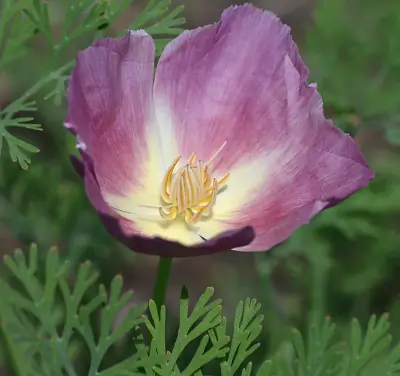 California poppy — Four-petaled blooms that close at night or in cool weather.
 -
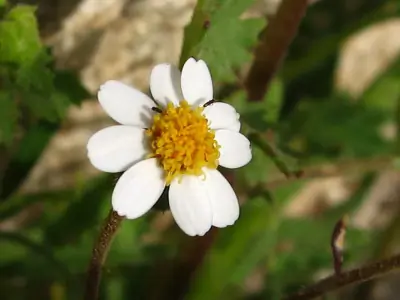 Emory's rockdaisy — Daisy-like blooms arising from rocky crevices.
 -
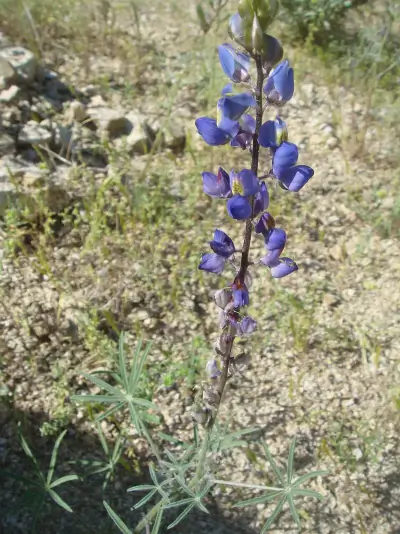 Coulter's lupine — The plant grows in open disturbed soils.
Shrubs (3)
-
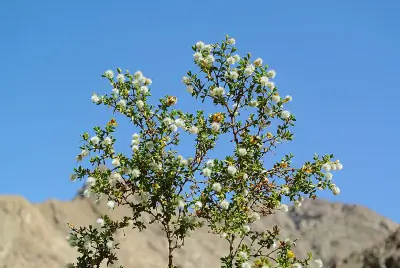 Creosote Bush — Bright yellow flowers bloom after rain.
 -
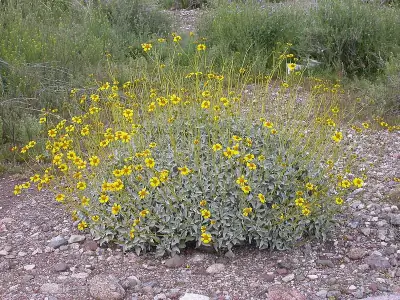 Brittlebush — Leaves are soft and pale gray, contrasting with long-stemmed golden blooms.
 -
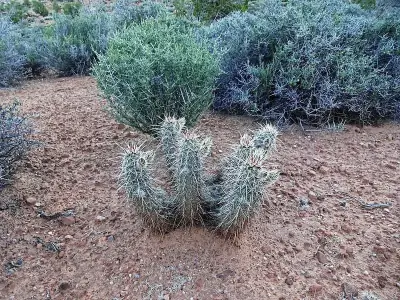 Engelmann's Hedgehog Cactus — The plant rarely exceeds a foot tall but can spread outward in mounded colonies. Its vivid blooms contrast sharply against arid landscapes.
Other Plants (5)
-
saguaro
-
stinknet
-
California Barrel Cactus
-
Buckhorn Cholla
-
Graham's nipple cactus
Mammals (4)
-
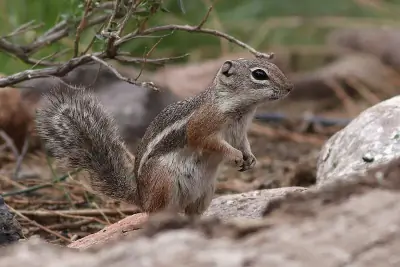 Harris' Antelope Squirrel — Slender body built for heat tolerance.
 -
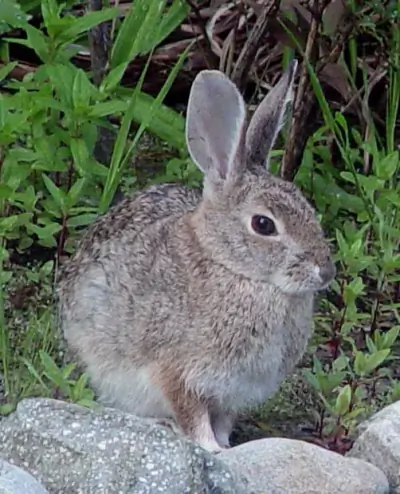 Desert Cottontail — Long hind legs for rapid escape.
 -
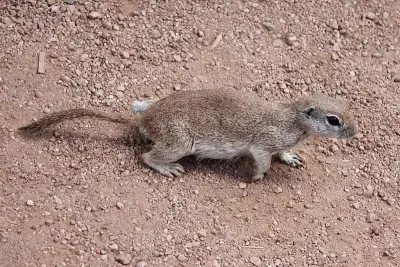 Round-tailed Ground Squirrel — Compact build.
 -
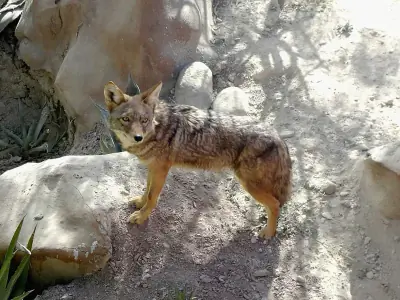 Coyote — Lean, agile build.
Birds (30)
-
 Rock Pigeon — Dark charcoal form with iridescent neck
 -
 European Starling — Sleek dark breeding plumage with yellow bill
 -
 Dark-eyed Junco — Pink-sided form with pale gray and buff flanks
 -
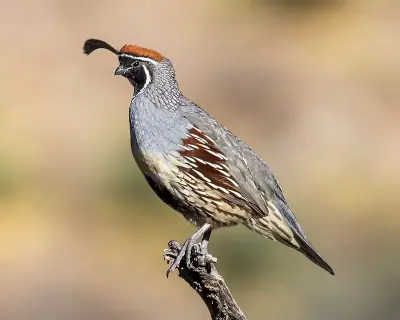 Gambel's Quail — Forward-curving head plume
 -
 White-crowned Sparrow — Gray breast and pink bill
Reptiles (6)
-
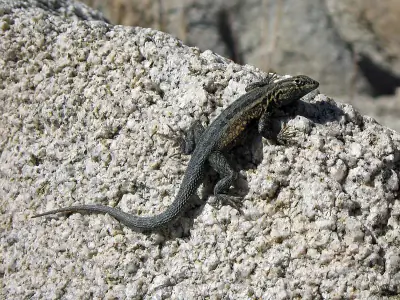 Common Side-blotched Lizard — Typically 4–6 inches long including the tail.
 -
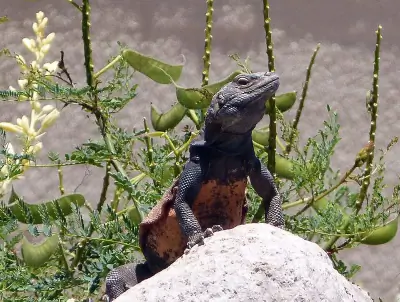 Common Chuckwalla — Often 12–16 inches long.
 -
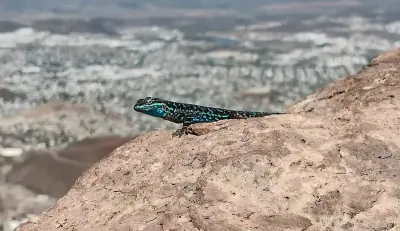 Ornate Tree Lizard — Typically 4–6 inches long.
 -
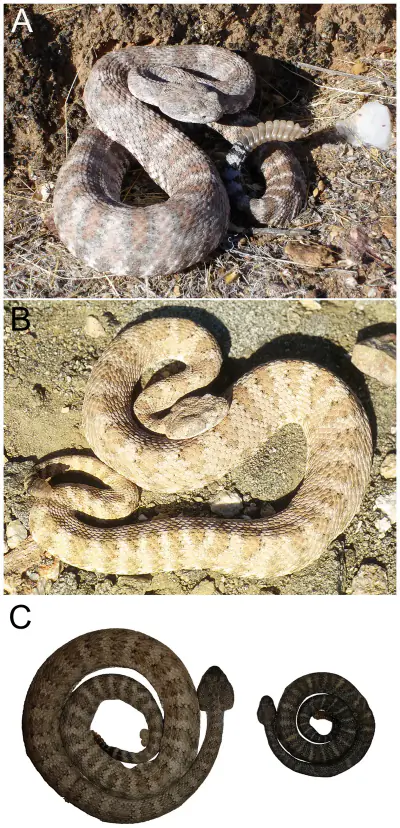 Southwestern Speckled Rattlesnake — Typically 2–3 feet long.
 -
 Western Diamond-backed Rattlesnake — Adults commonly 3–5 feet long.
Insects (10)
-
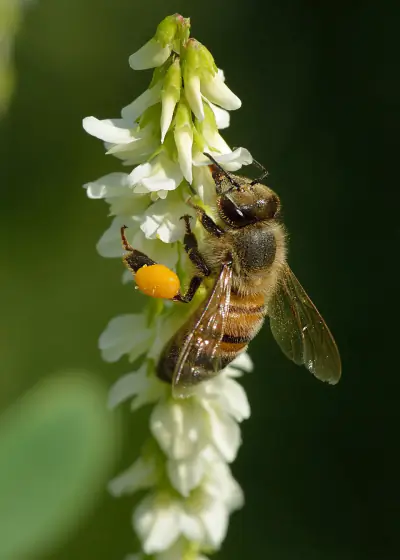 Western Honey Bee
 -
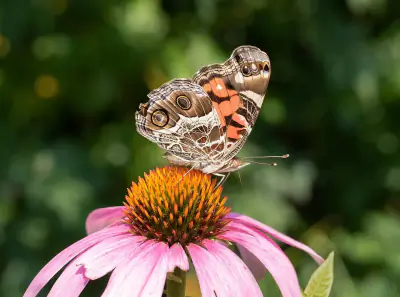 Painted Lady
 -
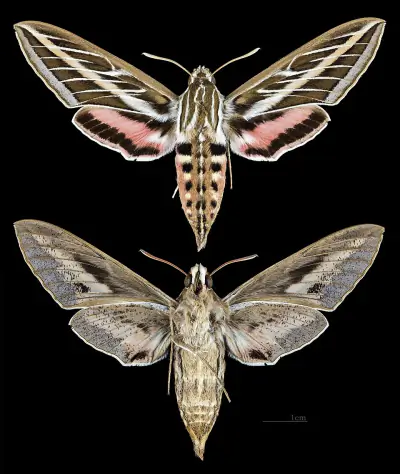 White-lined Sphinx
 -
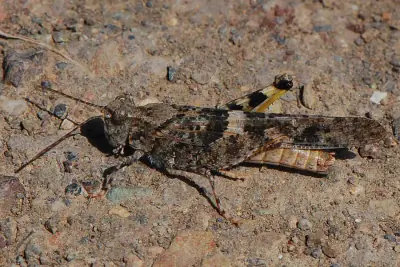 Pallid-winged Grasshopper
 -
 Queen
Queen
Other Wildlife (1)
-
Stripe-tailed Scorpion
Nature Bingo at Hackamore Ohv Staging Area, Maricopa
Can you spot them all? Check off each species as you find it on your visit.
Wildlife Challenge
Botany Challenge
Hackamore Ohv Staging Area, Maricopa Climate & Sun
The numbers behind the best (and worst) times to visit Hackamore Ohv Staging Area.
Reference climate data for planning your visit to Hackamore Ohv Staging Area — temperatures, precipitation, and daylight hours.
Climate type: Mediterranean
Best months to visit: Jan, Feb, Mar, Apr, Oct, Nov, Dec. Consider avoiding: Jul, Aug.
| Month | Avg Temp | Precip |
|---|---|---|
| Jan | 55°F | 1.4 in |
| Feb | 57°F | 1.2 in |
| Mar | 63°F | 0.8 in |
| Apr | 70°F | 0.3 in |
| May | 77°F | 0.3 in |
| Jun | 87°F | 0.1 in |
| Jul | 91°F | 2.0 in |
| Aug | 90°F | 1.3 in |
| Sep | 85°F | 1.4 in |
| Oct | 74°F | 0.7 in |
| Nov | 64°F | 0.8 in |
| Dec | 54°F | 1.3 in |
Daylight & Sun Times
Daylight ranges from 10 hours in winter to 14.4 hours in summer — a difference of 4.4 hours.
Summer: 5:15 AM – 7:36 PM
Winter: 7:22 AM – 5:19 PM
Hackamore Ohv Staging Area, Maricopa Trip Planning & Access
Time to plan the details — access, cost, and travel information for your visit.
Here are the logistics for getting to Hackamore Ohv Staging Area and what to expect on arrival.
Visitor Friendliness
Accessibility: dog-friendly (likely_allowed), family-friendly (excellent), elderly-friendly (highly_suitable).
- Dogs: likely_allowed — No restrictions found
- Families: excellent
- Elderly: highly_suitable
- Strollers: excellent (100/100)
- Beginners: Good starting point
- Accessibility: Generally accessible to most visitors (100/100)
Places Near Hackamore Ohv Staging Area, Maricopa
Looking for more? Here's what else is close by.
Close-by alternatives and additions to your Hackamore Ohv Staging Area visit include these 15 destinations.
Nearby Trails
- Treasure Loop, Pinal 1.84 mi
- Siphon Draw Trail, Pinal 2.05 mi
- Jacobs Crosscut Trail, Maricopa 2.27 mi
- Dutchmans Trail, Maricopa 3.61 mi
- Wind Cave Trail, Maricopa 5.69 mi
Nearby Campgrounds
Stargazing & Night Sky at Hackamore Ohv Staging Area, Maricopa
Clear nights in this area reveal more stars than most people expect.
The darkness at Hackamore Ohv Staging Area is rated Bortle class 5, offering Suburban sky conditions year-round.
Constellations
Key constellations visible from this latitude include Ursa Minor, Cepheus.
-
 Ursa Minor — Visible throughout the year in much of the United States, Ursa Minor rotates steadily around the North Celestial Pole.
 -
 Cepheus — Though its stars are modest in brightness, Cepheus is visible year-round from most of the U.S.
Meteor Showers
The Geminids peaks around December 13-14 and is the best meteor shower visible from here.
-
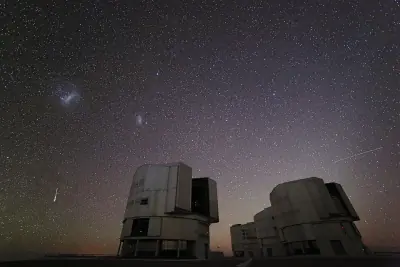 Geminids — peaks December 13-14 (excellent)
Find a dark location away from city lights and give your eyes 20–30 minutes to adjust for peak rates.
-
 Quadrantids — peaks January 3-4 (excellent)
Look toward the northern sky after midnight for the highest activity.
-
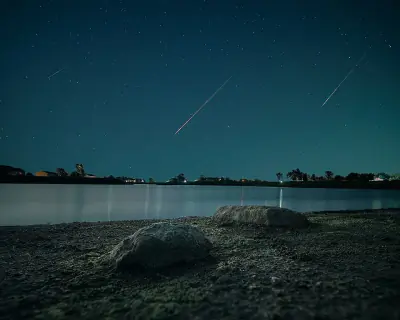 Perseids — peaks August 11-13 (excellent)
Expect fast, bright meteors and occasional fireballs under dark skies.
-
 Eta Aquariids — peaks May 5-6 (good)
Plan for early morning viewing; activity increases in the hours just before sunrise.
-
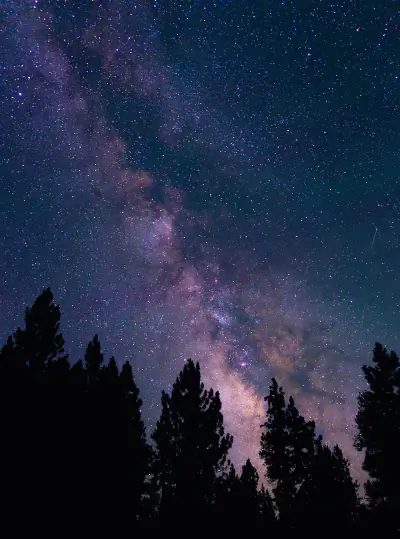 Delta Aquariids — peaks July 28-29 (fair)
Southern states often see stronger activity due to radiant placement.
Planets
Planets visible to the naked eye from this location:
-
 Venus — The brightest planet, often called the Morning or Evening Star
 -
 Jupiter — The largest planet, bright and steady in the night sky
 -
 Saturn — Famous for its rings, visible as a golden steady light
 -
 Mars — The Red Planet, recognizable by its reddish-orange hue
Equipment Guide
- Naked eye: Venus, Jupiter, Saturn, Mars, Mercury (with care)
- Binoculars: Jupiter moons, Uranus, Saturn rings (barely)
- Small telescope: Saturn rings, Jupiter bands, Mars surface features, Neptune
Viewing Tips
- Check planets rise/set times for your specific date
- Planets appear along the ecliptic (zodiac path)
- Planets don't twinkle like stars - steady light
- Venus and Jupiter are unmistakable - brightest objects after Moon
- Use a stargazing app to confirm planet positions
- Best viewing: when planet is highest in sky (transit)
Best Viewing Months
- Evening: Oct, Nov, Dec, Jan, Feb
- Morning: Jul, Aug, Sep
Seasonal Highlights at Hackamore Ohv Staging Area, Maricopa
What you'll encounter here shifts with the calendar — here's a seasonal overview.
The experience at Hackamore Ohv Staging Area shifts with the seasons. Here's a month-by-month overview.
Spring Wildflowers
Peak bloom: March - April
Check local park websites for bloom reports
Fall Foliage
Peak color: October 15 – November 5
Best trees for color: Maple, Oak, Aspen
Higher elevations peak 1-2 weeks earlier
Bird Migration
Spring peak: March - April
Fall peak: October - November
Best spots: Wetlands, coastlines, mountain ridges
Indigenous Land at Hackamore Ohv Staging Area, Maricopa
The history of this land reaches back long before it became a recreation destination.
Before trails were marked here, Hohokam knew this land intimately.
Territories
Data from Native Land Digital
Hackamore Ohv Staging Area, Maricopa Geology & Natural History
Beyond the trails and wildlife, Hackamore Ohv Staging Area sits within a landscape shaped by millions of years of geological processes. Here's what researchers and surveys have documented about this area.
Bedrock Geology
- Rock Type
- Pliocene to middle Miocene deposits
- Lithology
- Major:{conglomerate,sandstone}, Minor:{mudstone,siltstone,limestone,gypsum}
- Age
- Cenozoic
Mineral Deposits
- Deposit Sites
- 55
- Richness
- Exceptional
- Minerals Found
- Gold, Sand and Gravel, Construction, Silver, Copper, Fluorine-Fluorite, Barium-Barite, Tungsten
Endangered Species
- Species at Risk
- 1478
- ESA Endangered
- 29
- ESA Threatened
- 16
- Conservation Score
- 100/100
Temperature Records
- Record High
- 125°F (1995-07-29)
- Record Low
- 13°F (1913-01-06)
Wildfire History
This area has a relatively low wildfire risk, but always follow posted fire regulations.
- Recorded Fires
- 98
- Largest Fire
- Sand Stone (27,389.6 acres)
- Most Recent
- 2024
- Fire Risk
- Extreme
Watershed
- Watershed
- Bulldog Canyon-Salt River
- Water Quality (Good)
- 4.43%
- Impaired
- 0%
Meteorite Landings
- Meteorites Found
- 2
- Largest
- Apache Junction (25 kg)
Reported Phenomena
- UFO Sightings
- 29 (NUFORC)
- Haunted Places
- 5 (Shadowlands)
- Eeriness Score
- 55/100
Hackamore Ohv Staging Area, Maricopa Safety & Conditions
Plans set? Check the latest conditions before you head out.
Before any visit to Hackamore Ohv Staging Area, a quick check of these official sources can prevent surprises.
Coordinates: 33.466548, -111.508144