Cavalry Trail, Maricopa
Trails in Arizona
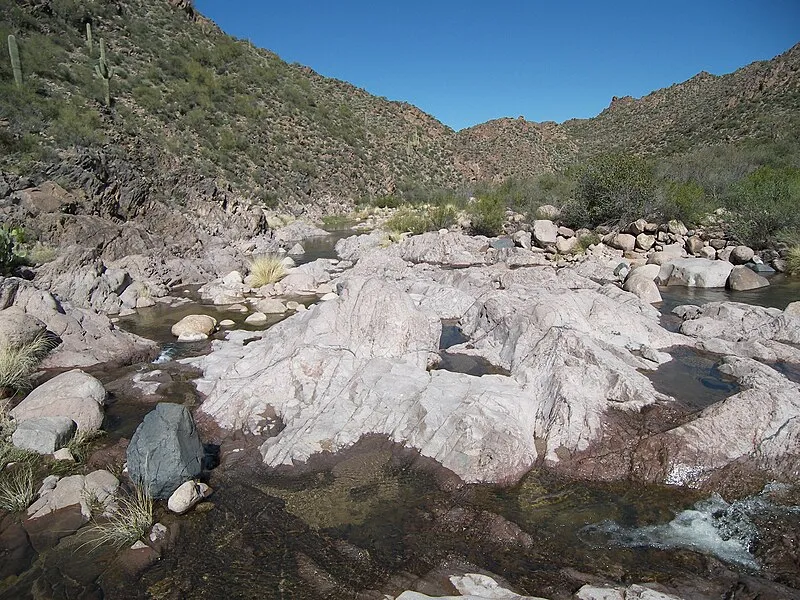
Photo: Deborah Lee Soltesz from Flagstaff, AZ / CC0
What to Pack for Cavalry Trail, Maricopa
The right gear makes all the difference — here's a packing list tailored to this area.
Every item on this list exists because of specific conditions at Cavalry — Urban terrain, Semi-Arid, and local wildlife.
Essential
-
Water (minimum 2L) — Water sources marked on maps may be seasonal or dry; carrying enough to complete your route prevents a dangerous shortfall.
-
Navigation (map/GPS/compass) — Getting lost is the leading cause of backcountry search-and-rescue calls; reliable navigation prevents the situation entirely.
-
Sun protection (sunglasses, sunscreen) — Prolonged sun exposure causes headaches, fatigue, and heat exhaustion that can cut a trip short or create a medical emergency.
-
First aid kit — Remote locations mean longer response times for help; a first aid kit bridges the gap between injury and professional care.
-
Extra food — High-energy snacks weigh little but provide crucial fuel if you need to bushwhack out or wait for conditions to improve.
-
Headlamp with extra batteries — Hands-free light is essential for navigating uneven terrain, setting up camp, or signaling for help at night.
-
Fire starter — Waterproof matches or a ferro rod weigh almost nothing and can be the difference between a cold night and a survivable one.
-
Emergency shelter (space blanket) — Wind and rain strip heat faster than most people realize; a compact emergency shelter blocks both.
-
Knife or multi-tool — A multi-tool handles problems you can't predict: jammed zippers, tangled line, first-aid tape cutting, or gear fixes on the trail.
-
Extra clothing layer — A lightweight fleece or puffy stuffs small but provides critical insulation if temperatures drop unexpectedly.
Wildlife Gear
-
Hiking buddy (avoid solo) — A companion can help with first aid, signaling, and decision-making if a wildlife encounter turns serious.
-
Noise maker — Group noise is especially important in dense brush or near berry patches where bears may be feeding and less alert.
-
Gaiters — Thick gaiters deflect fangs before they reach skin, buying critical time in areas with rattlesnakes or copperheads.
-
First-aid snakebite kit — Knowing how to immobilize a limb, mark swelling progression, and avoid harmful folk remedies can improve outcomes.
Seasonal Gear
- Spring: Camera, Wildflower field guide
- Fall: Camera, Binoculars (foliage viewing)
Activities & Best Time to Visit Cavalry Trail, Maricopa
The Urban terrain here lends itself to a range of outdoor activities throughout the year.
Outdoor recreation at Cavalry centers on hiking, with the May, Jun, Jul, Aug, Sep months offering the best conditions.
With a photography score of 45/100, Cavalry offers Decent dark sky (Bortle 5) and 3 excellent meteor showers worth capturing.
Activities
-
hiking — Hiking ranges from gentle nature walks to challenging summit climbs.
-
photography — Golden hour and dramatic weather can transform ordinary scenes into striking images.
-
picnicking — Picnicking turns a scenic overlook or shady grove into a memorable gathering spot.
-
running — Trail running combines endurance with changing terrain and natural views.
-
walking — Walking lets you slow down and notice details — wildflowers, birdsong, shifting light through trees.
-
wildlife_viewing — Early mornings and dusk offer the best chances to quietly spot native wildlife.
Best months: May, Jun, Jul, Aug, Sep
Terrain: Urban — This environment includes paved paths, landscaped areas, and pockets of remnant vegetation.
Wildlife Safety at Cavalry Trail, Maricopa
Most wildlife encounters are positive, but a few potential hazards are worth knowing about.
A danger score of 20/10 means Cavalry requires low preparation compared to the average trail.
- Mountain lions
- Venomous snakes
- Decent dark sky (Bortle 5)
- 3 excellent meteor showers
- Fall foliage
- Spring wildflowers
Venomous Snakes
Watch your step — Western Diamondback, Mojave, Sidewinder, Arizona Coral Snake are present in the Urban habitat around Cavalry.
Typically gray to brown with sharply defined dark diamonds bordered in pale scales.
Remove constrictive items and remain calm; do not cut, suck, or apply ice to the wound.
Color ranges from greenish-gray to brown, often blending with desert soils.
Keep the victim calm and monitor breathing while awaiting medical care.
Light tan or sandy coloration with darker blotches along the back.
Do not attempt to capture the snake; focus on reaching emergency care quickly.
Red bands touch yellow bands, a key identifying feature.
Keep the victim calm and still while awaiting treatment.
- Watch where you step and place hands
- Stay on trails
- Wear boots and long pants in snake country
- Do not reach under rocks or logs
- If bitten: stay calm, immobilize limb, seek medical help immediately
- Do NOT: cut wound, suck venom, apply tourniquet, ice, or alcohol
Nature & Wildlife at Cavalry Trail, Maricopa
The Urban terrain here supports a rich ecosystem worth noticing as you explore.
The plant life here ranges from in the canopy to California poppy and blackfoot daisy along the trail edges.
Wildflowers (2)
-
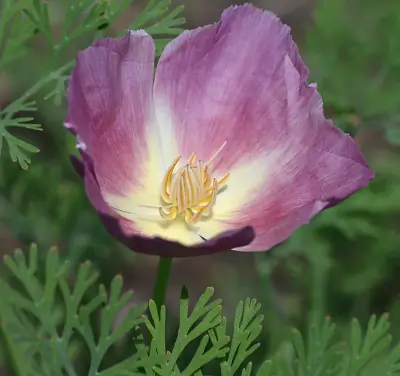 California poppy — Finely divided blue-green foliage forming low mounds.
 -
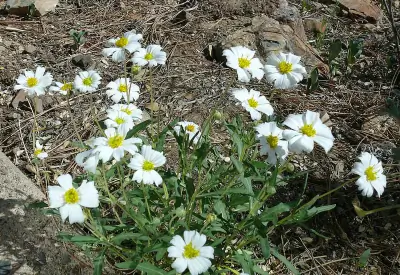 blackfoot daisy — Low rounded clumps of narrow gray-green leaves.
Shrubs (5)
-
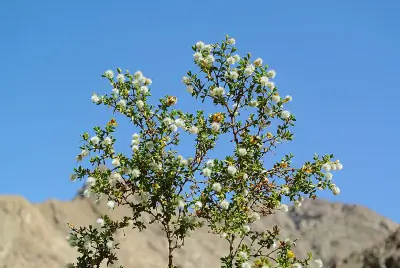 Creosote Bush — Bright yellow flowers bloom after rain.
 -
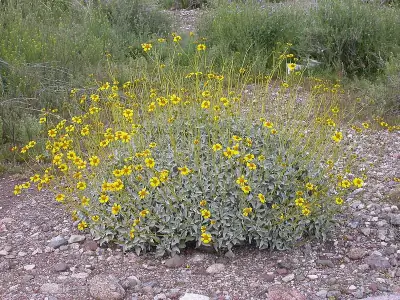 Brittlebush — Leaves are soft and pale gray, contrasting with long-stemmed golden blooms.
 -
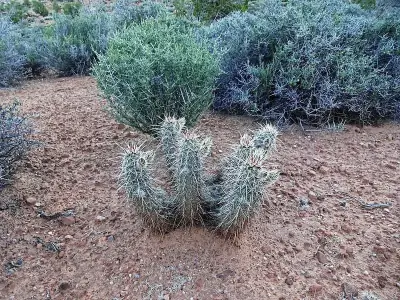 Engelmann's Hedgehog Cactus — Engelmann's hedgehog cactus is a low, clumping barrel cactus with cylindrical stems covered in dense radial spines. Flowers are large and showy, typically magenta to pink, blooming in late spring.
Other Plants (5)
-
saguaro
-
Chain-fruit Cholla
-
Graham's nipple cactus
-
ocotillo
-
Arizona Hedgehog Cactus
Mammals (4)
-
 White-nosed Coati — Slender body with elongated snout.
 -
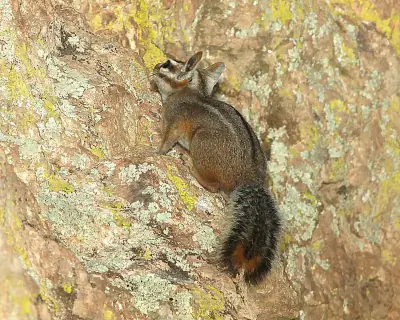 Cliff Chipmunk — White eyebrow stripe contrasts with darker eye line.
 -
 Rock Squirrel — Stouter and larger than many other ground squirrels.
 -
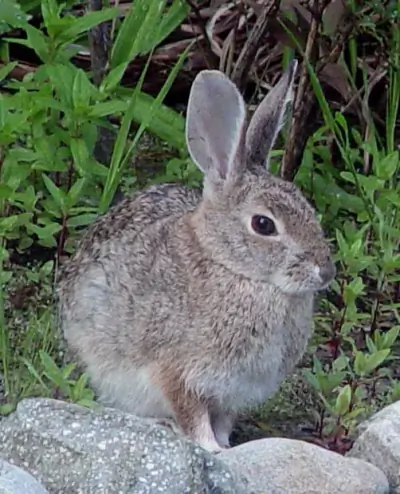 Desert Cottontail — Lean body suited to arid habitats.
Birds (30)
-
 Brewer's Blackbird — Brown female with dark eye
 -
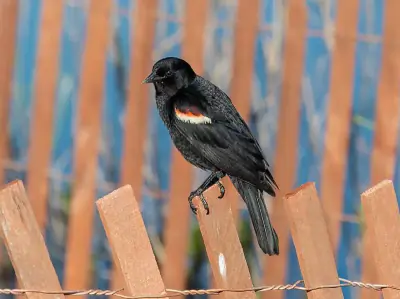 Red-winged Blackbird — Streaked brown female
 -
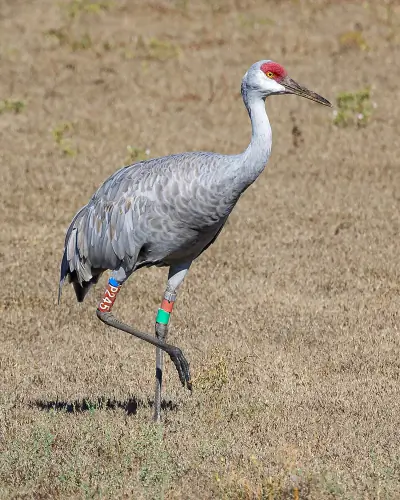 Sandhill Crane — Red crown patch
 -
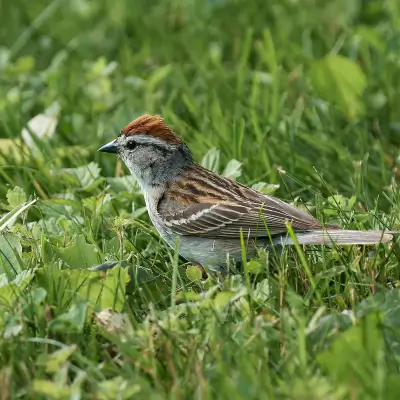 Chipping Sparrow — Black eye line
 -
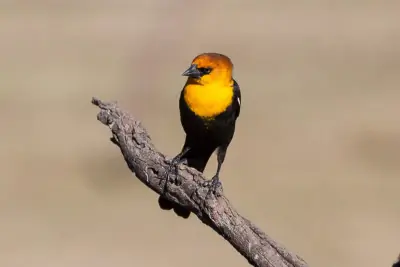 Yellow-headed Blackbird — Bright yellow head and chest
Reptiles (11)
-
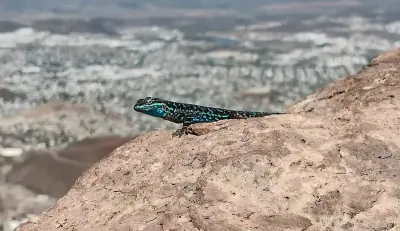 Ornate Tree Lizard — Males may show bluish patches on the belly.
 -
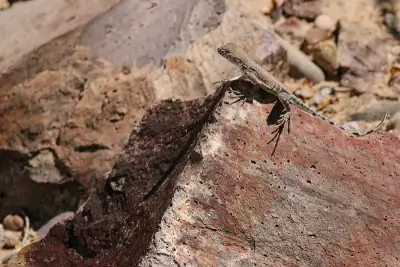 Greater Earless Lizard — Tan to brown with darker blotches and pale underside.
 -
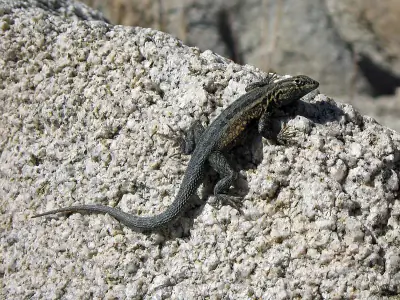 Common Side-blotched Lizard — Distinct dark blotch behind the front legs on each side.
 -
 Western Diamond-backed Rattlesnake — Black-and-white banded tail ending in a rattle.
 -
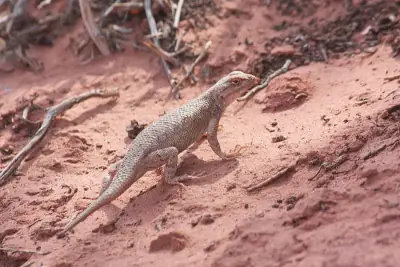 Desert Spiny Lizard — Males may show blue patches on the underside.
Amphibians (3)
-
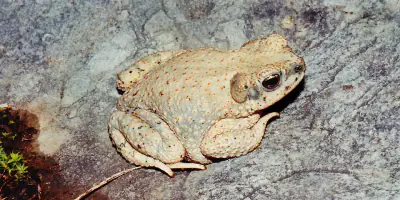 Red-spotted Toad
 -
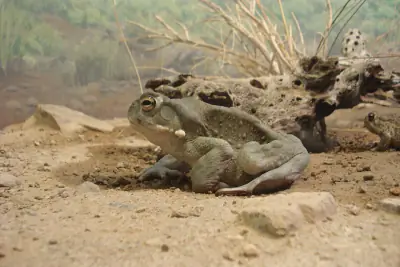 Sonoran Desert Toad
 -
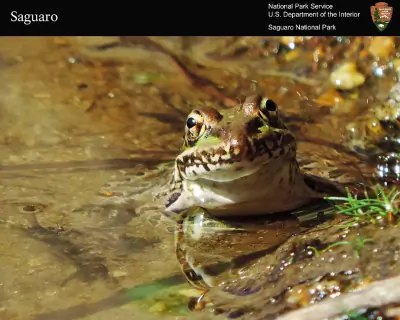 Lowland Leopard Frog
Insects (18)
-
 Queen
Queen -
 Pipevine Swallowtail
 -
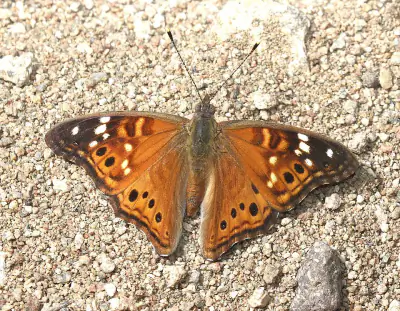 Empress Leilia
 -
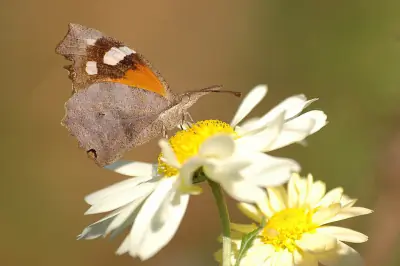 American Snout
 -
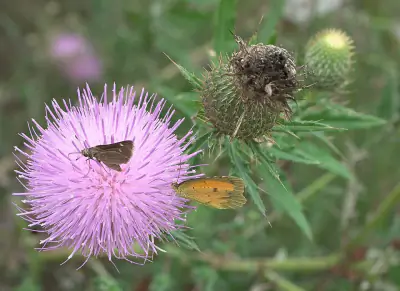 Sleepy Orange
Nature Bingo at Cavalry Trail, Maricopa
Can you spot them all? Check off each species as you find it on your visit.
Wildlife Challenge
Botany Challenge
Cavalry Trail, Maricopa Climate & Sun
Month-by-month climate and daylight information for Cavalry.
With 15.1 inches of annual precipitation and an average of 68.2°F, Cavalry has Semi-Arid conditions.
Climate type: Semi-Arid
Annual avg temp: 68.2°F
Annual precipitation: 15.1 in
With an average annual temperature of 68.2°F and 15.1 inches of precipitation, Cavalry has warm, dry conditions. Summer highs average around 87°F, while winter lows drop to 51°F.
Best months to visit: Jan, Feb, Mar, Apr, May, Oct, Nov, Dec.
| Month | Avg Temp | Precip |
|---|---|---|
| Jan | 51°F | 2.1 in |
| Feb | 53°F | 2.0 in |
| Mar | 59°F | 1.6 in |
| Apr | 65°F | 0.6 in |
| May | 73°F | 0.4 in |
| Jun | 83°F | 0.1 in |
| Jul | 87°F | 1.5 in |
| Aug | 86°F | 1.9 in |
| Sep | 81°F | 1.2 in |
| Oct | 71°F | 0.8 in |
| Nov | 59°F | 1.1 in |
| Dec | 50°F | 1.8 in |
Daylight & Sun Times
Daylight ranges from 10 hours in winter to 14.4 hours in summer — a difference of 4.4 hours.
Summer: 5:14 AM – 7:36 PM
Winter: 7:22 AM – 5:19 PM
Cavalry Trail, Maricopa Trip Planning & Access
Ready to visit? Here's what to know about getting here and what it'll cost.
Trip planning for Cavalry starts with the 39-mile route from Phoenix.
Visitor Friendliness
Visitor friendliness: families (good), dogs (likely_allowed), elderly (challenging).
- Dogs: likely_allowed — No restrictions found
- Families: good (Moderate distance (3-5mi), Some climbing (500-1000ft))
- Elderly: challenging (Long distance (>2mi), Significant elevation (>200ft), Unpaved surface)
- Strollers: not_recommended (20/100)
- Beginners: Good starting point (Moderate difficulty (+5))
- Accessibility: Generally accessible to most visitors (90/100)
Places Near Cavalry Trail, Maricopa
If you're in the area, these nearby destinations are worth considering too.
From campgrounds to trails to scenic attractions, 17 destinations surround Cavalry.
Nearby Trails
- Bull Pass Trail, Pinal 2.06 mi
- Dutchmans Trail, Maricopa 3.22 mi
- Peters Trail, Pinal 3.39 mi
- Jacobs Crosscut Trail, Maricopa 4.49 mi
Nearby Campgrounds
Nearby Attractions
Stargazing & Night Sky at Cavalry Trail, Maricopa
If you're staying past sunset, the stargazing conditions here are worth planning around.
For anyone who stays past sunset, the Bortle 5 conditions here reward patience with constellations and bright planets.
Constellations
Look for Ursa Minor, Cepheus — all visible from this location depending on the season.
-
 Ursa Minor — This compact constellation contains Polaris at the end of its handle, a reliable guide to true north.
 -
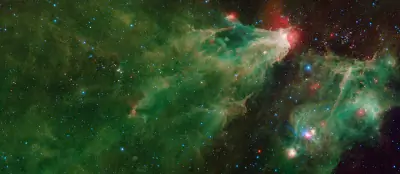 Cepheus — Named for a mythological king, this constellation sits beside Cassiopeia and is circumpolar in northern latitudes.
Meteor Showers
For meteor viewing, the Geminids (December 13-14) offers the best show at this location.
-
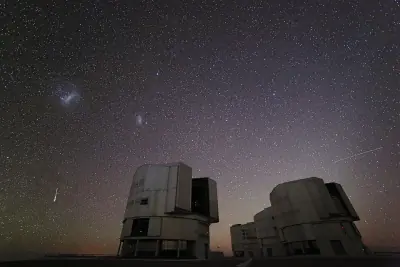 Geminids — peaks December 13-14 (excellent)
Cold December air often means clear skies—look overhead after midnight for bright, slow-moving meteors.
-
 Quadrantids — peaks January 3-4 (excellent)
Bundle up—January nights are frigid, but dark skies can produce bright fireballs.
-
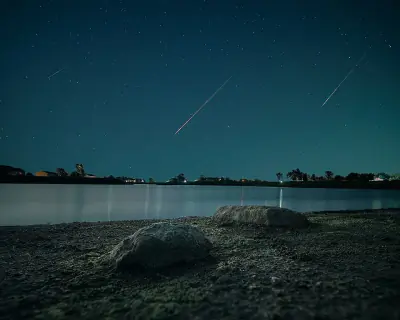 Perseids — peaks August 11-13 (excellent)
Peak activity typically builds after midnight when Perseus climbs higher.
-
 Eta Aquariids — peaks May 5-6 (good)
Southern U.S. observers often get better rates due to the radiant's position.
-
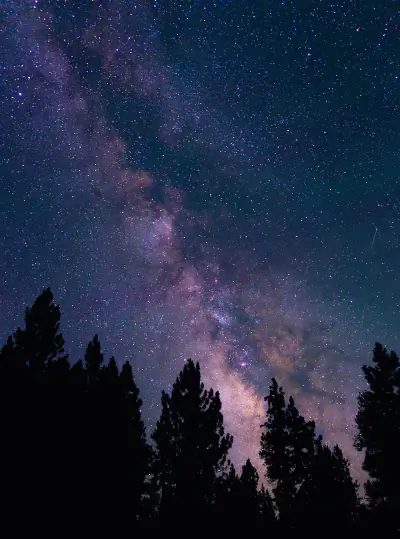 Delta Aquariids — peaks July 28-29 (fair)
This steady shower rewards patient observers in dark, moonless conditions.
Planets
Planets visible to the naked eye from this location:
-
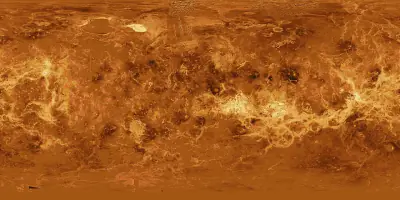 Venus — The brightest planet, often called the Morning or Evening Star
 -
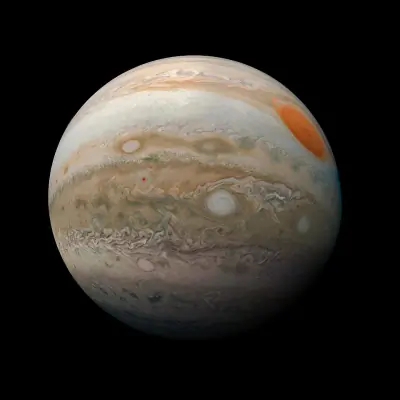 Jupiter — The largest planet, bright and steady in the night sky
 -
 Saturn — Famous for its rings, visible as a golden steady light
 -
 Mars — The Red Planet, recognizable by its reddish-orange hue
Equipment Guide
- Naked eye: Venus, Jupiter, Saturn, Mars, Mercury (with care)
- Binoculars: Jupiter moons, Uranus, Saturn rings (barely)
- Small telescope: Saturn rings, Jupiter bands, Mars surface features, Neptune
Viewing Tips
- Check planets rise/set times for your specific date
- Planets appear along the ecliptic (zodiac path)
- Planets don't twinkle like stars - steady light
- Venus and Jupiter are unmistakable - brightest objects after Moon
- Use a stargazing app to confirm planet positions
- Best viewing: when planet is highest in sky (transit)
Best Viewing Months
- Evening: Oct, Nov, Dec, Jan, Feb
- Morning: Jul, Aug, Sep
Seasonal Highlights at Cavalry Trail, Maricopa
Each season brings something different to this area.
From wildflower blooms in spring to fall foliage in autumn, Cavalry rewards visitors in every season.
Spring Wildflowers
Peak bloom: March - April
Check local park websites for bloom reports
Fall Foliage
Peak color: October 15 – November 5
Best trees for color: Maple, Oak, Aspen
Higher elevations peak 1-2 weeks earlier
Bird Migration
Spring peak: March - April
Fall peak: October - November
Best spots: Wetlands, coastlines, mountain ridges
Indigenous Land at Cavalry Trail, Maricopa
Long before trails were marked and campgrounds built, this land was home to Indigenous peoples.
This area's history extends far beyond recreation — it is the traditional territory of Hohokam.
Territories
Data from Native Land Digital
Cavalry Trail, Maricopa Geology & Natural History
Beyond the trails and wildlife, Cavalry sits within a landscape shaped by millions of years of geological processes. Here's what researchers and surveys have documented about this area.
Bedrock Geology
- Rock Type
- Early Proterozoic metamorphic rocks
- Lithology
- Major:{metasedimentary,metavolcanic,gneiss}
- Age
- Statherian
Mineral Deposits
- Deposit Sites
- 58
- Richness
- Exceptional
- Minerals Found
- Asbestos, Tungsten, Iron, Manganese, Zeolites, Copper, Sand and Gravel, Construction
Endangered Species
- Species at Risk
- 1478
- ESA Endangered
- 29
- ESA Threatened
- 16
- Conservation Score
- 100/100
Temperature Records
- Record High
- 120°F (1995-07-28)
- Record Low
- 18°F (1908-12-18)
Wildfire History
This area has a relatively low wildfire risk, but always follow posted fire regulations.
- Recorded Fires
- 80
- Largest Fire
- Bush (193,603.9 acres)
- Most Recent
- 2024
- Fire Risk
- Extreme
Watershed
- Watershed
- Pine Creek
- Water Quality (Good)
- 0%
- Impaired
- 0.201%
Reported Phenomena
- Haunted Places
- 2 (Shadowlands)
- Eeriness Score
- 10/100
Cavalry Trail, Maricopa Safety & Conditions
Conditions change fast outdoors — bookmark these official sources for your visit.
The data above tells you what's typical — these links tell you what's happening at Cavalry right now.
Coordinates: 33.484051, -111.392796